Portraits of Progress: Addressing Population and Reproductive Health in Nigeria
For the past two years, Population Matters has worked with the Civil Society Legislative Advocacy Centre (CISLAC) to address the underlying causes and impacts of high population growth in Nigeria.
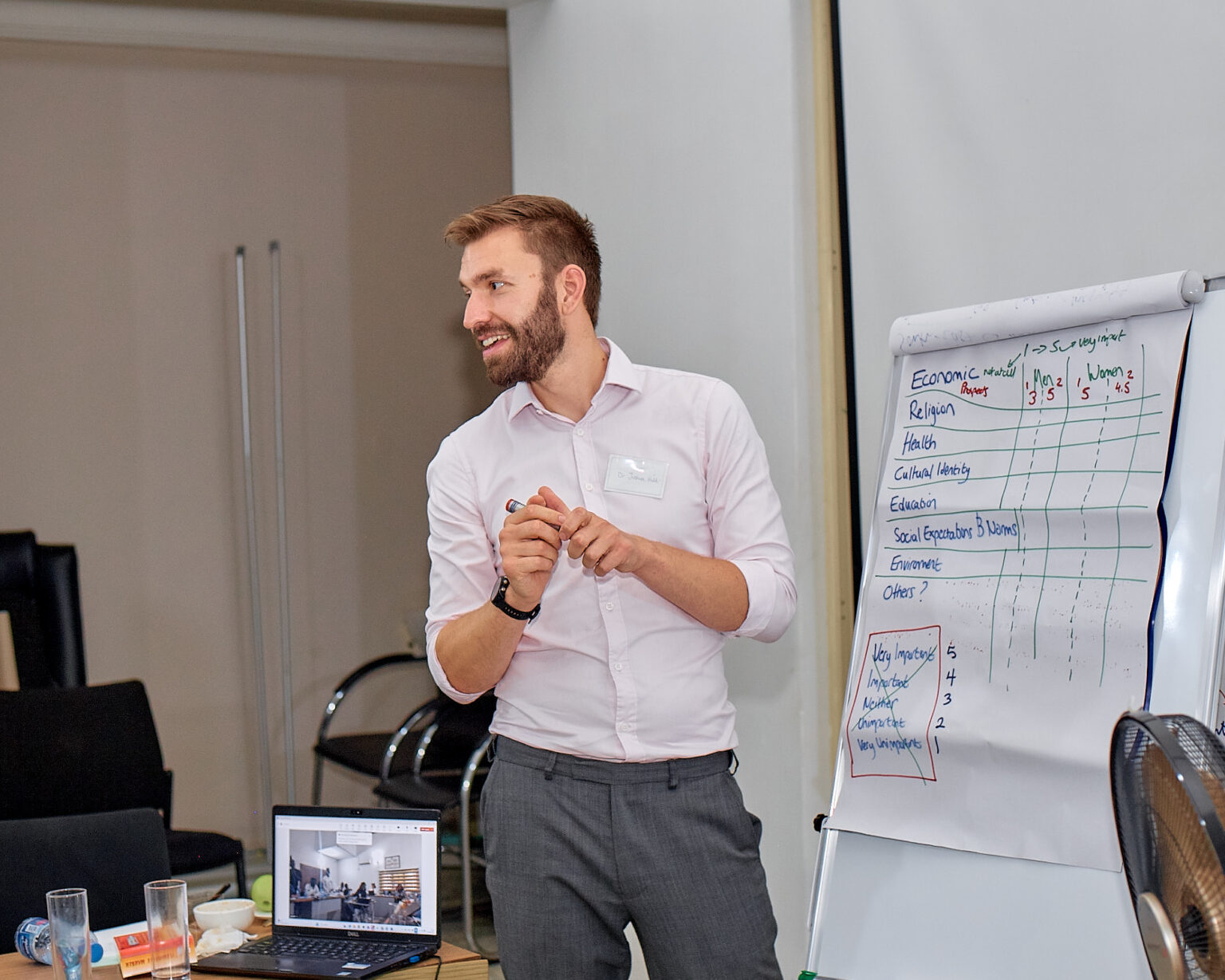
Our Director of Advocacy and Influence, Jameen Kaur, and Director of Research and Learning, Josh Hill, travelled to Abuja to meet our long-time partner CISLAC, community representatives, government officials, and policy makers.
Together, we called on the Nigerian government to take stronger, evidence-based action to manage the impacts of high population growth and confront the underlying root causes- principally unmet need for family planning and lack of access to education, factors that particularly affect young girls and women.
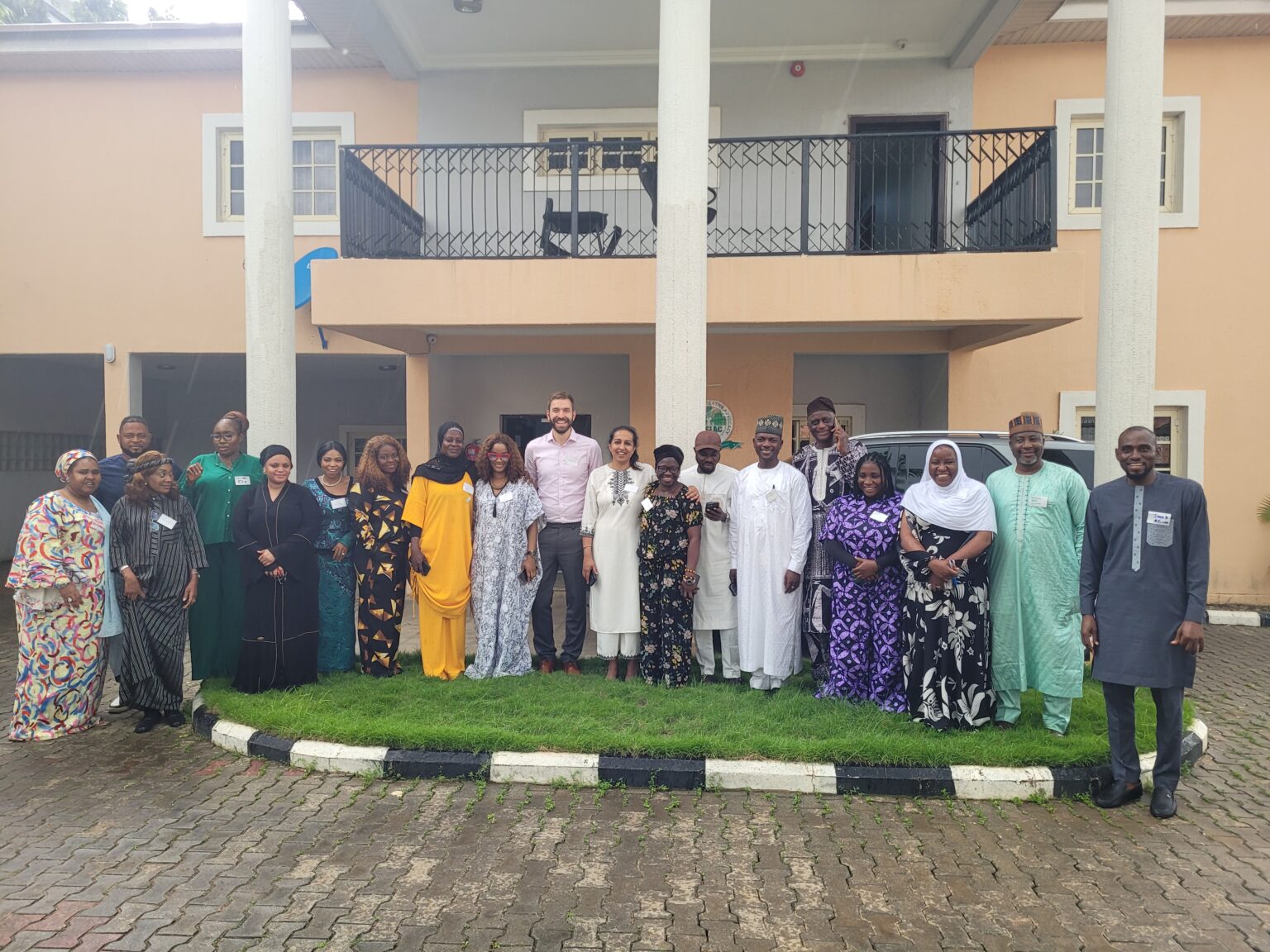
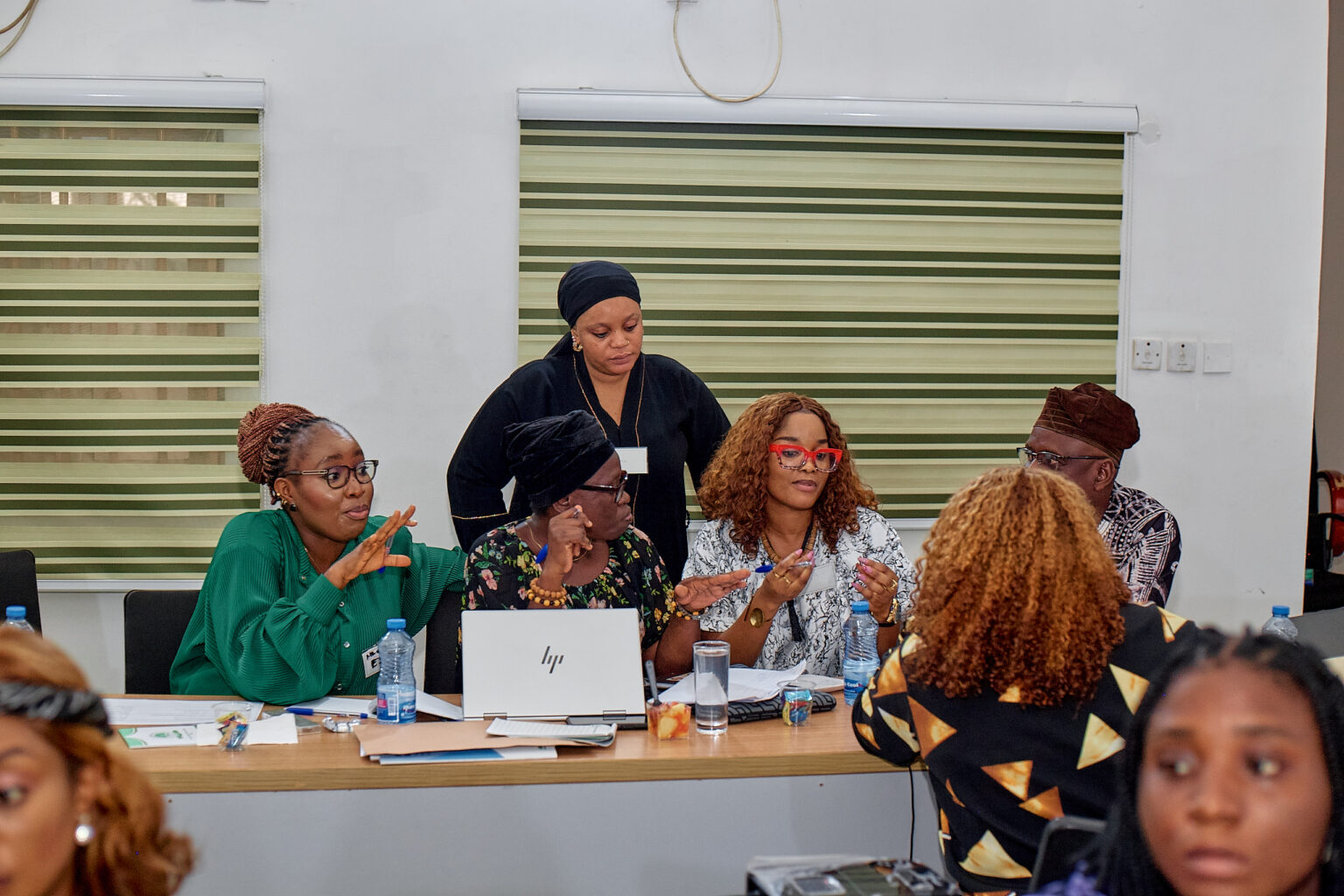
Jameen Kaur, Josh Hill and the entire regional workshop attendees convened by CISLAC.
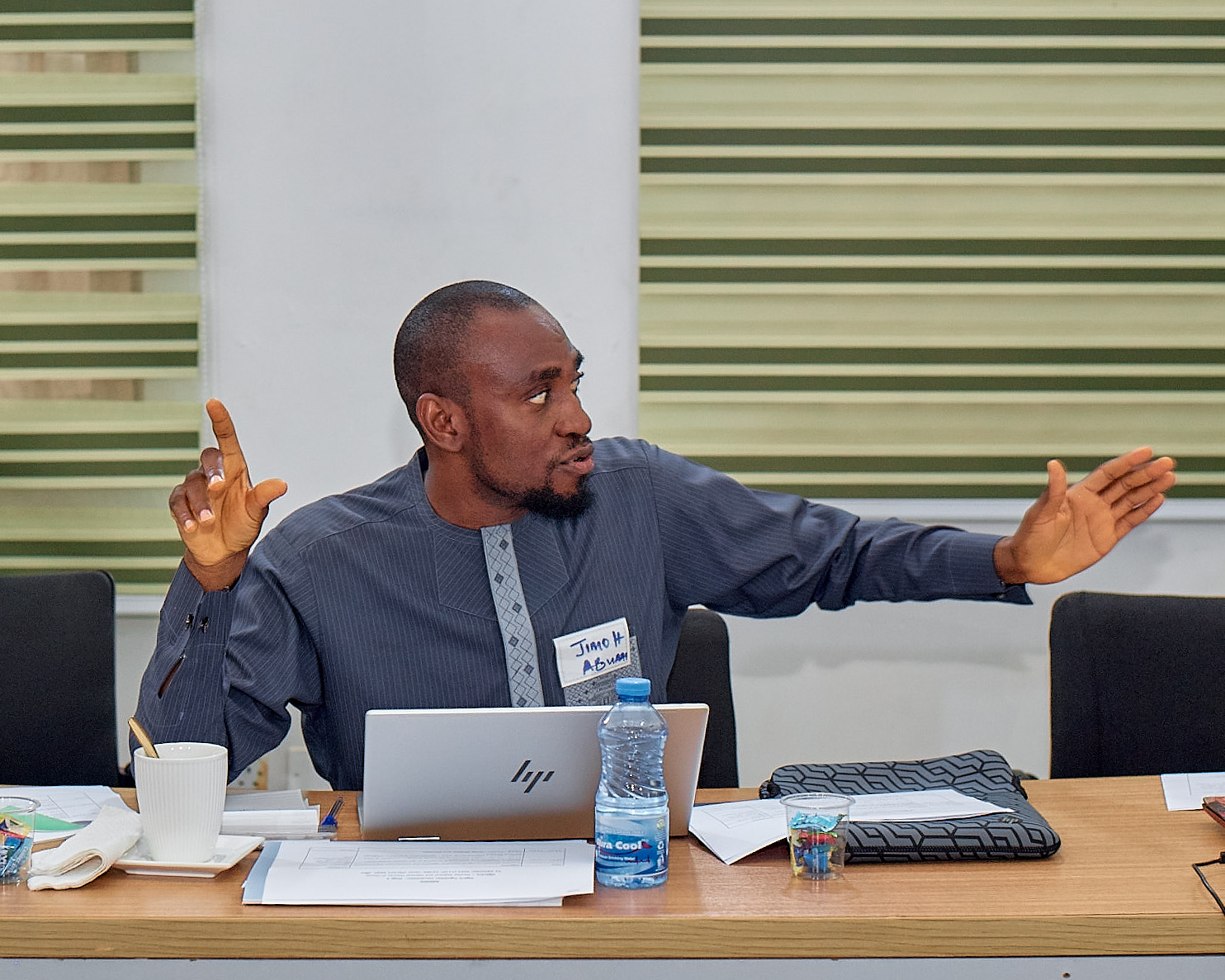
Two years ago, communities were not talking unsustainable project growth.
Diverse States, One Nation
Fertility rate by zone
North Central
North East
North West
South East
South South
South West
National average
Nigeria is the world’s sixth most populated country, home to 238.7 million people—almost 3% of the global population. Its population is growing rapidly, with projections indicating it will reach 400 million by 2050 , making it the third most populous nation on earth.
Fertility rates vary widely across the six geopolitical zones that make up the country—reflecting social, economic, religious and cultural differences. According to the Nigeria Demographic and Health Survey , rural women have an average of 5.6 children, compared with 3.9 in urban areas.
These figures highlight the need for tailored locally informed strategies that recognise Nigeria’s demographic diversity. Solutions must reflect the realities and priorities of each community.
African Nations by Population
Nigeria

Ethiopia

Egypt

DR Congo

Tanzania

South Africa

Kenya

Uganda

Algeria

Sudan

African population estimates sourced from the UN World Population Prospects 2023.
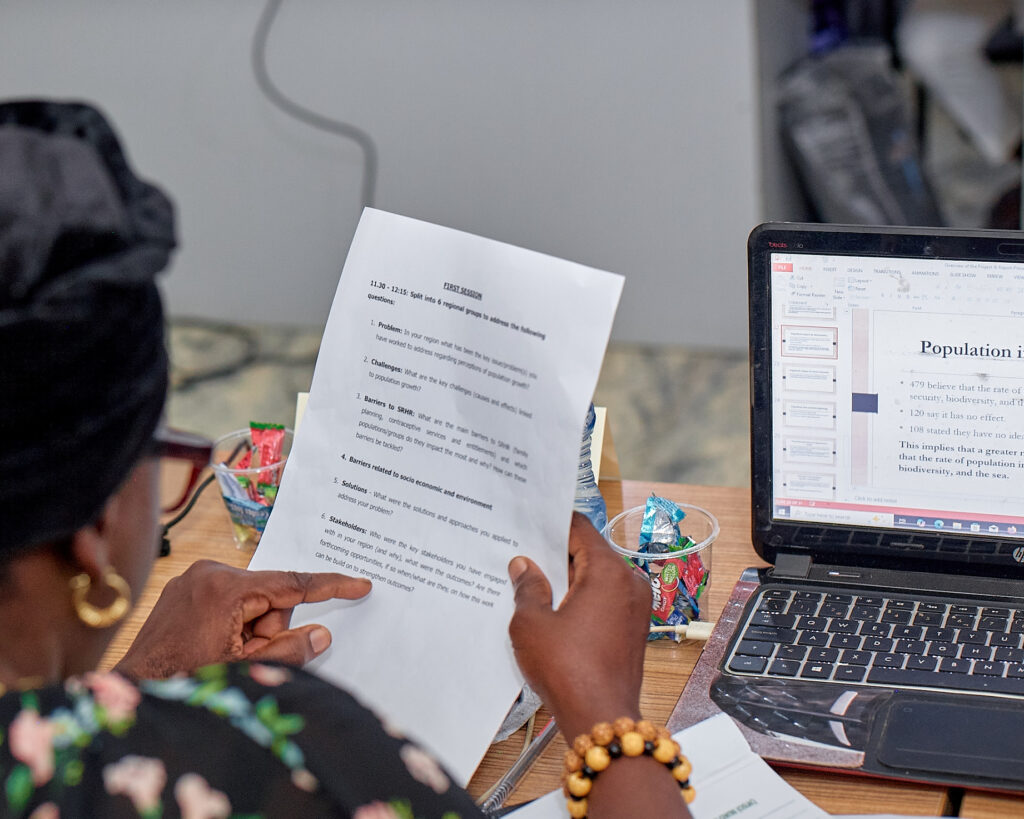
Bintu Ajao, regional coordinator, works to see a positive shift in attitudes toward population management. Based in Lagos, she shared insights for the South-West region—home to Africa’s third-largest city, with more than 17 million people.
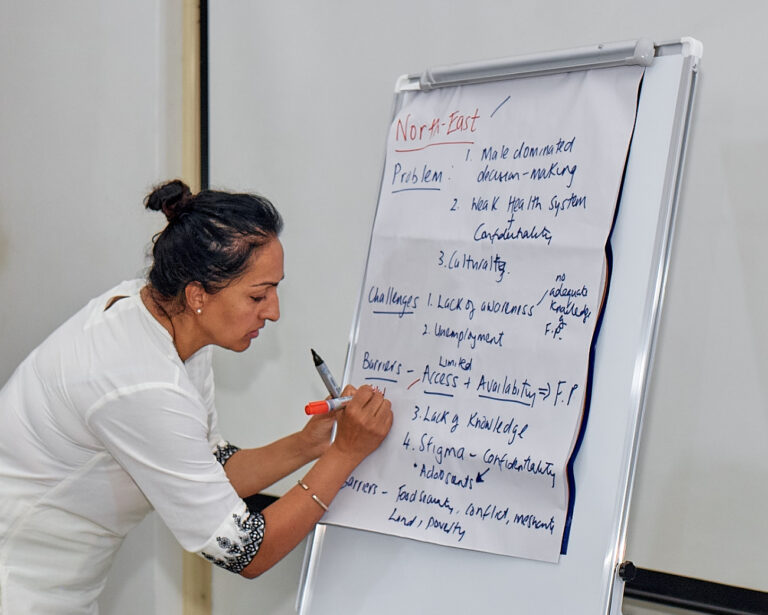
Jameen Kaur, Population Matters Director of Advocacy and Influence, captured the differences shaping fertility rates between and within Nigeria’s regions. Nigeria hasn’t conducted a formal census in 19 years, making accurate planning even harder.
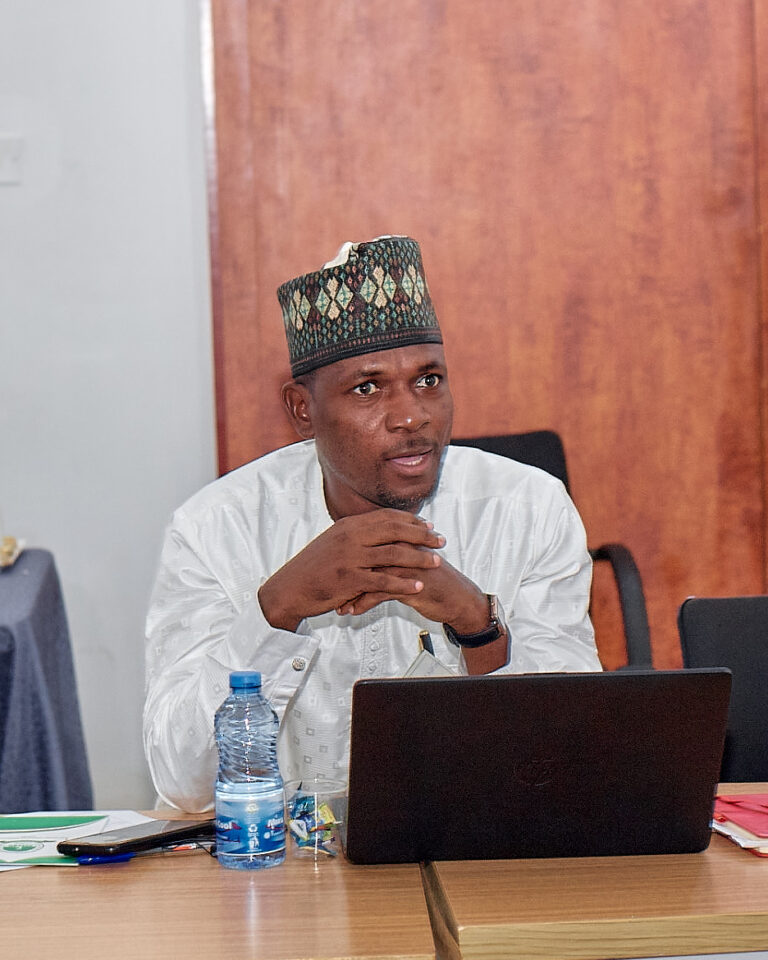
Regional coordinator highlights challenges facing adolescent girls who are forced to drop out of the education system due to unintended pregnancies. These can result from gender-based violence, or a lack of access to contraceptives or comprehensive sexuality education.
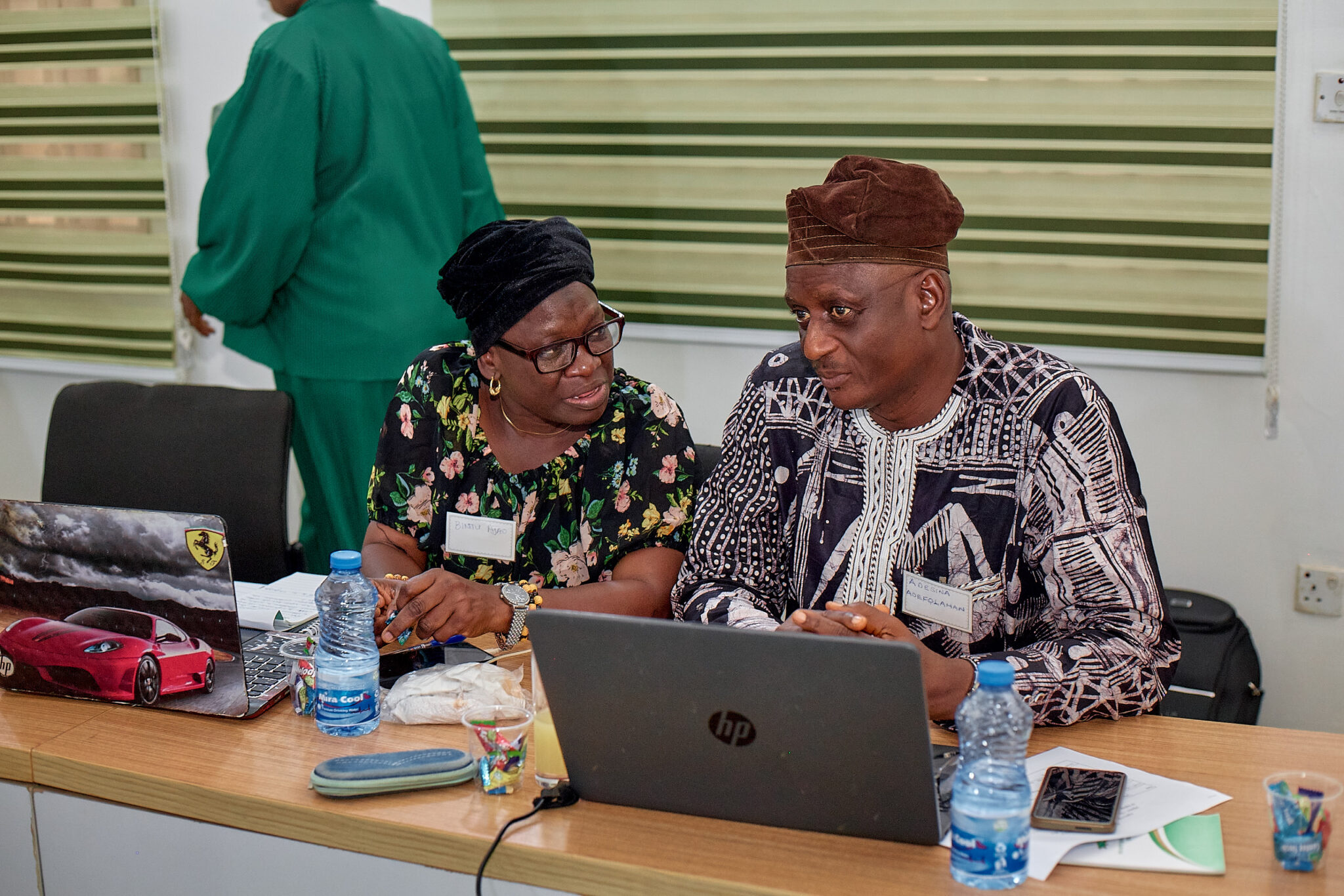
Population Matters and CISLAC partners meet in Abuja to deepen collaboration on community-led responses to rapid population growth.
A Focus on Girls and Education
Around 15% of girls age 15–19 in Nigeria have been pregnant, and about 44% marry before turning 18 . Early pregnancies often disrupt girls’ education and reinforce cycles of inequality. About 51% of girls complete secondary school , although these numbers are lower in northern regions where the risk of gender-based violence and negative cultural practices act as barriers to education .
Median Age
Global —
Nigeria —
The median age in Nigeria is 18.1. With such a youthful population comes intense pressure on schools. This is why discussions with the Ministry of Education focused on integrated solutions—combining comprehensive sexuality education with accessible healthcare. This approach enables young people to pursue their education while making informed reproductive choices.
When girls are educated, the whole community thrives. Supporting girls to complete secondary school raises household incomes, builds community resilience , and drives sustainable development . Research from the World Bank shows that improving education for adolescent girls could add US$2.4 trillion to African economies by 2040.
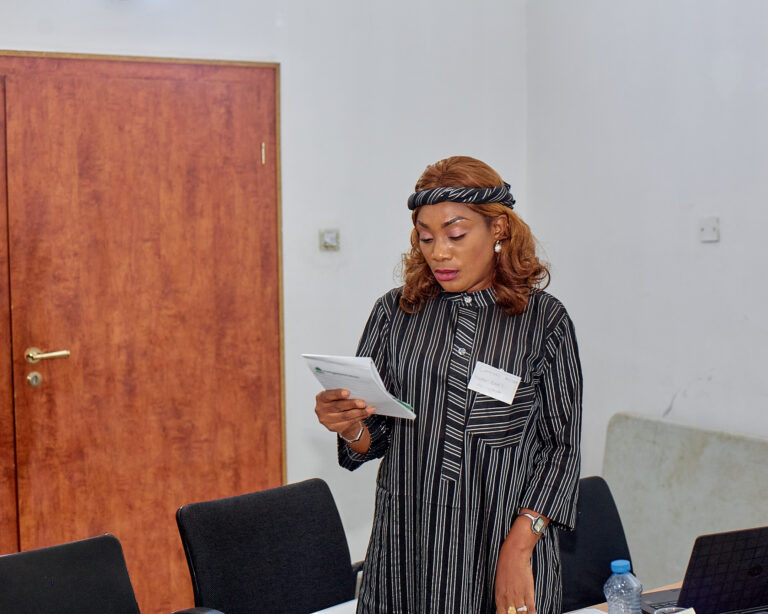
I envision a Nigeria where communities are empowered to drive their own development, where women, girls and youth have equal opportunities, and where population growth is managed through informed decision-making.
Culture and Communities
Nigerian culture places great value on family. For many, children are a gift—a blessing, and a source of social security and care in old age. As a result, promoting the idea of “smaller families” often clashes with cultural values that link fertility to prosperity. With children seen as blessings, even when a pregnancy is unintended, it’s rarely considered unwanted.
Family planning therefore resonates more when it’s framed as a way of spacing pregnancies rather than limiting or avoiding them. Engaging boys and men is vital to shifting cultural norms. Evidence shows many men are overachieving their desired fertility . Expanding opportunities for everyone to exercise reproductive choice is essential. That requires:
-
Access to voluntary family planning
-
Comprehensive education on safe contraceptive methods
-
Reliable availability through pharmacies, public clinics, and mobile outreach services
Progress is being made. Around 12% of married women in Nigeria use modern contraceptive methods—double the rate in 1990 . Yet gaps remain. Health care expenditure is only 5% of Nigeria’s national budget , leaving major work ahead to ensure modern contraceptives are available to all who want them.
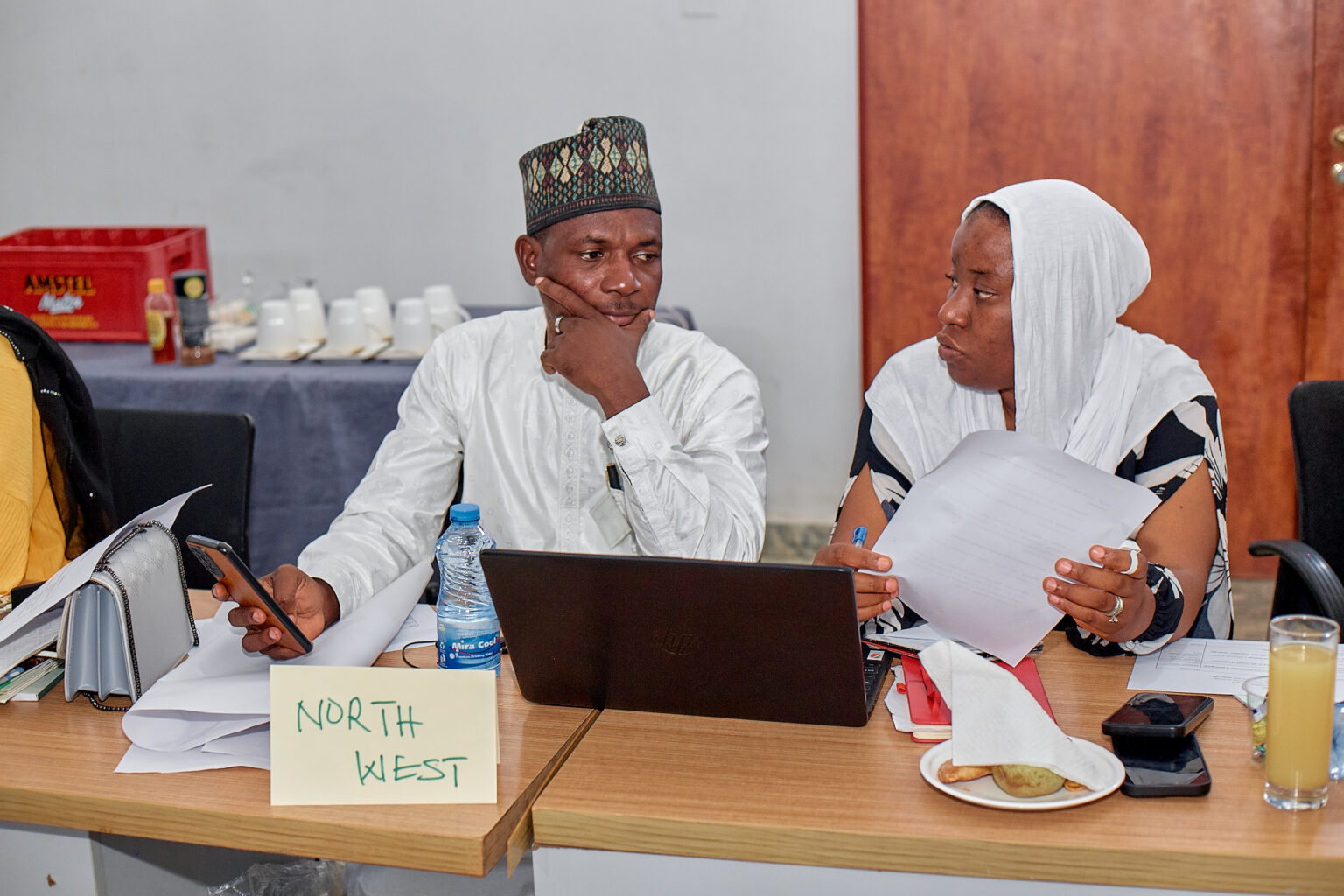
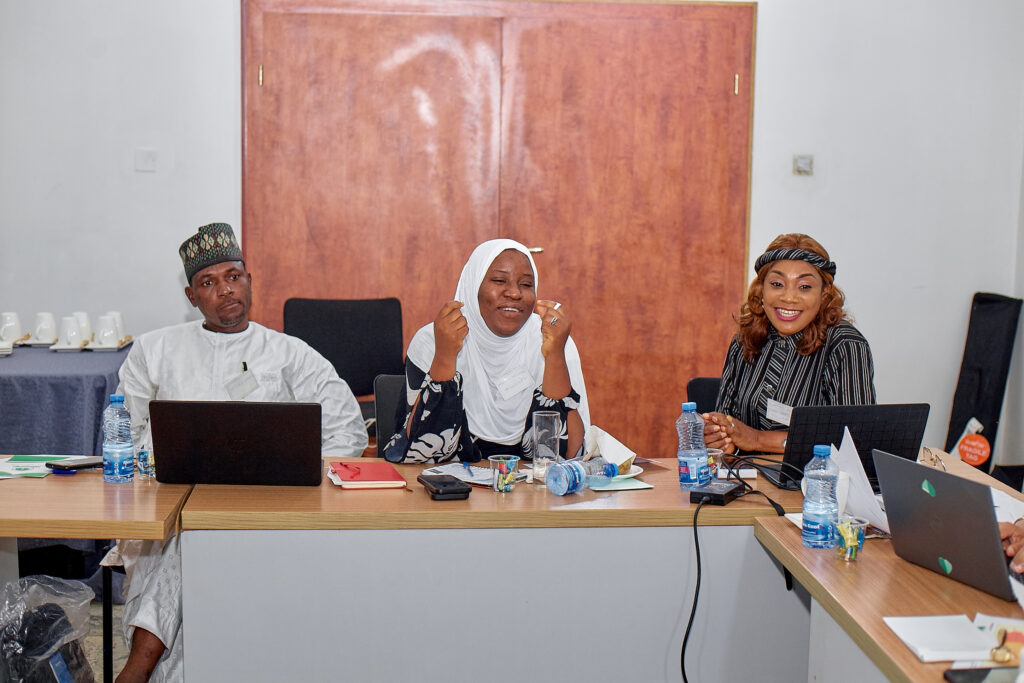
Maryam Madi, Lawyer with Civil Society Legislative Advocacy Centre (CISLAC) reflects on the findings of the Population Dialogue, CISLAC and Population Matters joint project.
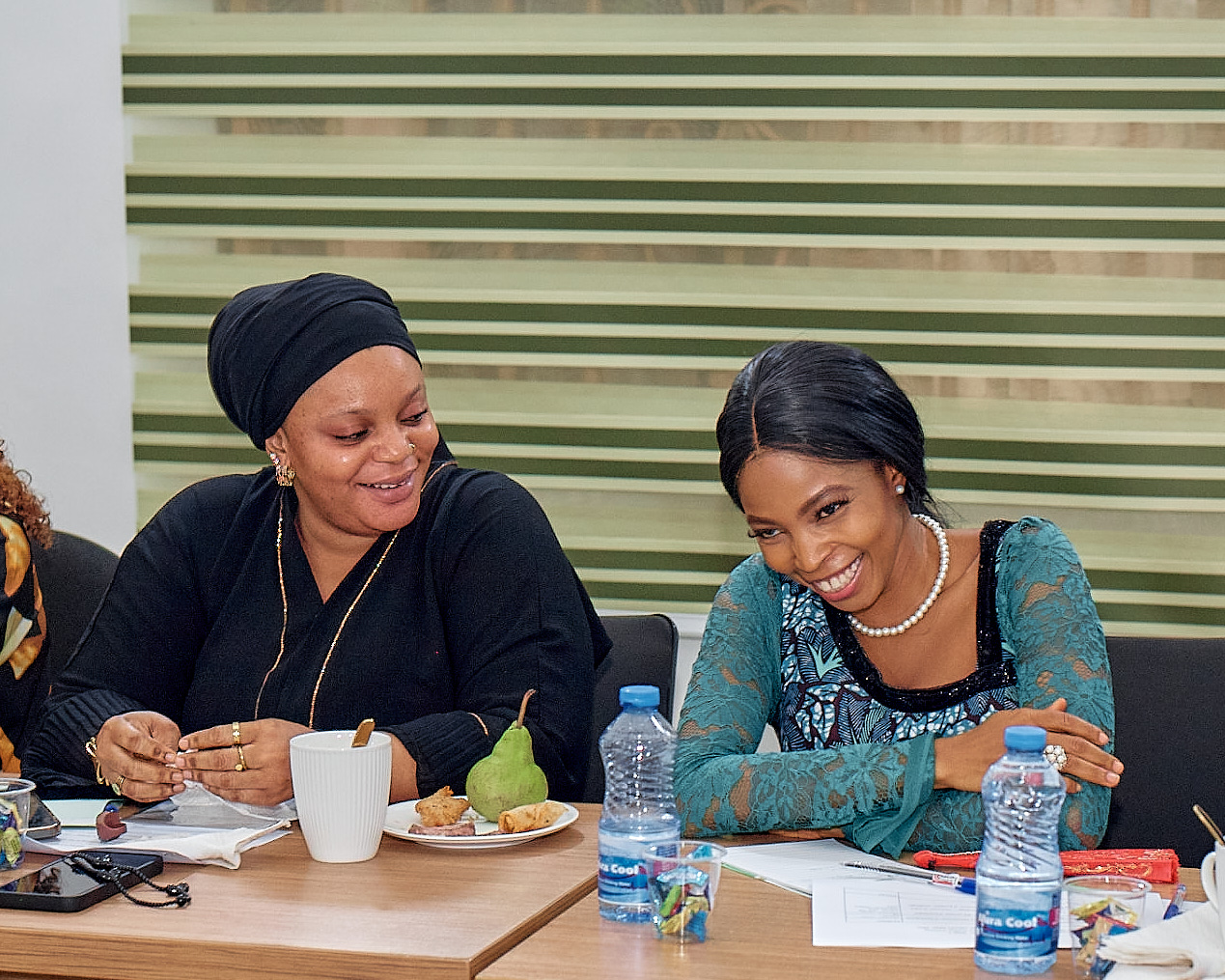
A lighter moment of reflection between journalist Rahma Olamide Oladosu (left) and CISLAC colleague. Olamide Oladosu captured insights from the workshop for an article on fertility and inter-related human rights issues for Economic Confidential.
Modern Contraceptive Use
Choose a demographic lens to see how access to modern contraceptives changes across Nigerian households. The table tracks the share of respondents alongside those using or not using modern methods.
| Demographic detail | Share of respondents (%) | Not using modern methods (%) | Using modern methods (%) |
|---|
The full dataset remains available below if interactive controls are not available. Each table shows the share of respondents reporting modern contraceptive use by key demographic group.
Age (years) of respondents
| Demographic detail | Share of respondents (%) | Not using modern methods (%) | Using modern methods (%) |
|---|---|---|---|
| 15–19 | 4.3Share of respondents | 95.8Not using modern methods | 4.2Using modern methods |
| 20–24 | 19.5Share of respondents | 91.6Not using modern methods | 8.4Using modern methods |
| 25–29 | 28.1Share of respondents | 87.1Not using modern methods | 12.9Using modern methods |
| 30–34 | 22.8Share of respondents | 86.3Not using modern methods | 13.7Using modern methods |
| 35–39 | 15.9Share of respondents | 85.3Not using modern methods | 14.7Using modern methods |
| 40–44 | 6.8Share of respondents | 85.9Not using modern methods | 14.1Using modern methods |
| 45–49 | 2.6Share of respondents | 89.0Not using modern methods | 11.0Using modern methods |
Educational attainment
| Demographic detail | Share of respondents (%) | Not using modern methods (%) | Using modern methods (%) |
|---|---|---|---|
| None | 46.4Share of respondents | 95.8Not using modern methods | 4.2Using modern methods |
| Primary | 14.9Share of respondents | 87.2Not using modern methods | 12.8Using modern methods |
| Secondary | 30.5Share of respondents | 80.1Not using modern methods | 19.9Using modern methods |
| Higher | 8.2Share of respondents | 72.7Not using modern methods | 27.3Using modern methods |
Partners’ educational attainment
| Demographic detail | Share of respondents (%) | Not using modern methods (%) | Using modern methods (%) |
|---|---|---|---|
| None | 37.4Share of respondents | 96.1Not using modern methods | 3.9Using modern methods |
| Primary | 14.1Share of respondents | 89.0Not using modern methods | 11.0Using modern methods |
| Secondary | 33.8Share of respondents | 82.3Not using modern methods | 17.7Using modern methods |
| Higher | 14.7Share of respondents | 77.2Not using modern methods | 22.8Using modern methods |
Marital status
| Demographic detail | Share of respondents (%) | Not using modern methods (%) | Using modern methods (%) |
|---|---|---|---|
| Never married | 4.4Share of respondents | 82.9Not using modern methods | 17.1Using modern methods |
| Currently married | 92.6Share of respondents | 88.0Not using modern methods | 12.0Using modern methods |
| Formerly married | 2.9Share of respondents | 90.7Not using modern methods | 9.3Using modern methods |
Wealth index
| Demographic detail | Share of respondents (%) | Not using modern methods (%) | Using modern methods (%) |
|---|---|---|---|
| Poorest | 22.1Share of respondents | 96.3Not using modern methods | 3.7Using modern methods |
| Poorer | 22.8Share of respondents | 94.1Not using modern methods | 5.9Using modern methods |
| Middle | 20.6Share of respondents | 88.6Not using modern methods | 11.4Using modern methods |
| Richer | 18.3Share of respondents | 81.8Not using modern methods | 18.2Using modern methods |
| Richest | 16.2Share of respondents | 73.4Not using modern methods | 26.6Using modern methods |
Woman currently working
| Demographic detail | Share of respondents (%) | Not using modern methods (%) | Using modern methods (%) |
|---|---|---|---|
| Not working | 32.4Share of respondents | 91.8Not using modern methods | 8.2Using modern methods |
| Working | 67.6Share of respondents | 86.0Not using modern methods | 14.0Using modern methods |
A Human-Centred Approach
Addressing population is not just about numbers. It means ensuring every individual can exercise their reproductive rights, make informed choices, and live a healthy, productive life.
Nigeria’s youthful population means there are around 3.5 million people entering the labour force every year, with a lack of employment driving many people to emigrate in search of better opportunities. To build a sustainable future, it’s necessary to tackle the root causes of why people over achieve their fertility preferences.
This Means
-
Investing in people-centred health systems
-
Improving Access, Availability, Affordability and Quality (AAAQ) of health care
-
Expanding evidence-based education
-
Removing structural barriers that perpetuate and entrench poverty
-
Partnering with communities to confront and prevent the harms of gender-based violence
The Way Forward
The way forward must be integrated and inclusive. Bringing policymakers, community leaders, and experts into one room is only the beginning of the journey.
By empowering women, educating communities, and ensuring universal access to safe and modern contraception and comprehensive sexual education, Nigeria can transform the vibrant energy of its youth into lasting prosperity.