Reproductive rights and population: justice and action
Everyone should be free to decide whether and when to have children. Population dynamics are shaped by access to healthcare, education and economic security, alongside policy and inequality. This guide explores practical action without turning anyone’s family choices into a target.
We need to take many actions to reduce the impact of those of us already here – especially the richest of us who have the largest environmental impact – including through reducing consumption to sustainable levels, and systemic economic changes.
Population projections: estimates, not targets
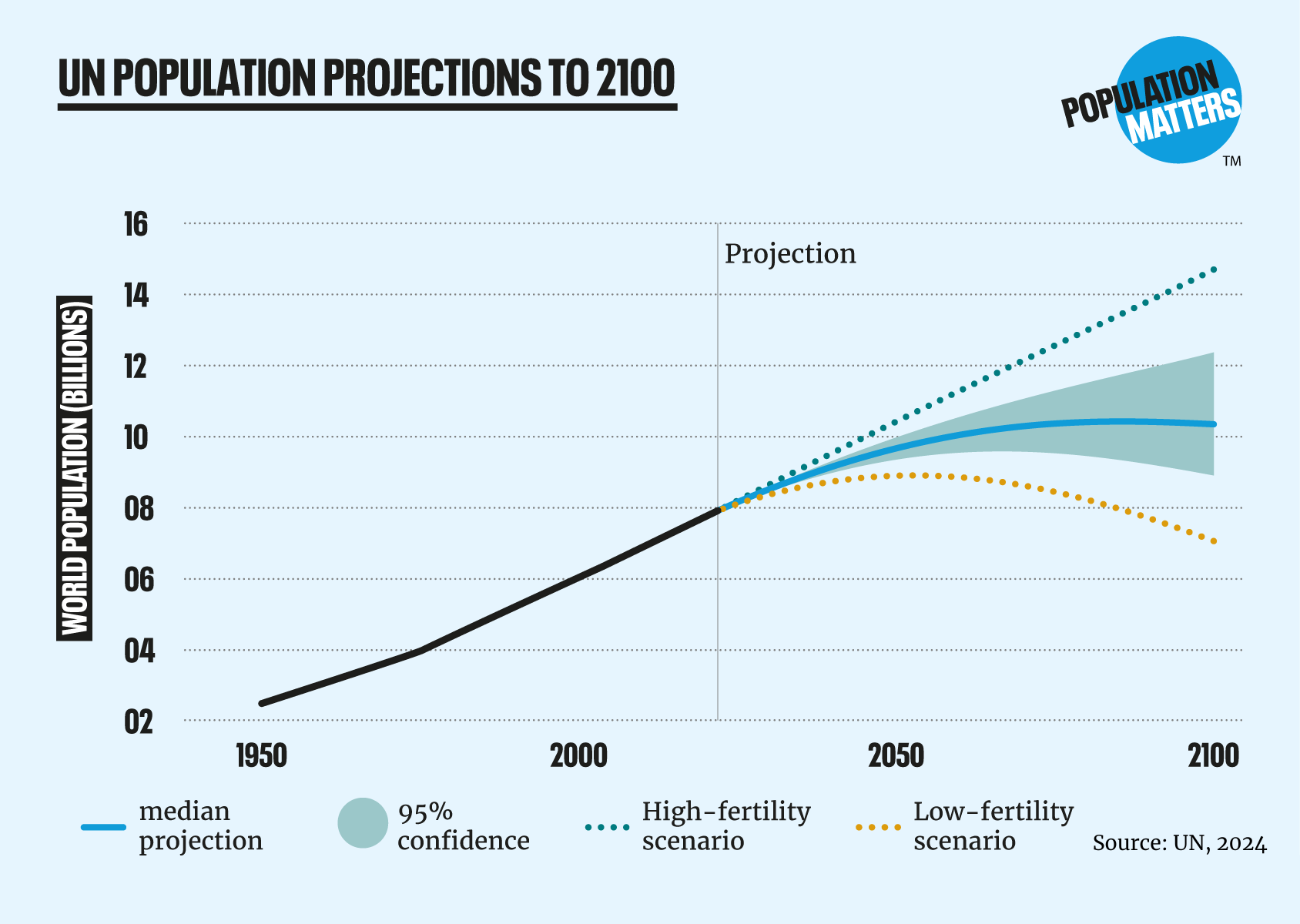
UN DESA’s World Population Prospects 2024 medium projection estimates that the world’s population will rise from 8.2 billion in 2024 to around 10.3 billion in the mid-2080s, then ease to 10.2 billion by 2100. These are projections, not targets: they can inform planning for services, but they do not prescribe anyone’s reproductive choices.
Positive people-focused policies
Policies that support health, education and economic security should respect people’s choices and wellbeing. Their success should be judged by whether people can exercise their rights, not by changes in birth rates.
The World Bank’s 2016 Thailand Economic Monitor reported that Thailand’s total fertility rate fell from 6.1 births per woman in 1965 to 1.5 in 2015. It attributed this decline to rising incomes, education levels and the National Family Planning Program launched in 1970. This dated account is not a target for other countries or communities: reproductive rights and voluntary family planning services matter in their own right.
UN DESA’s World Population Prospects 2024 medium series estimates that Asia’s total fertility rate fell from 2.28 births per woman in 2013 to 1.88 in 2023, a decline of about 18%. These are regional estimates, not a policy target or a statement about individual choices.
1) Empowering women and girls
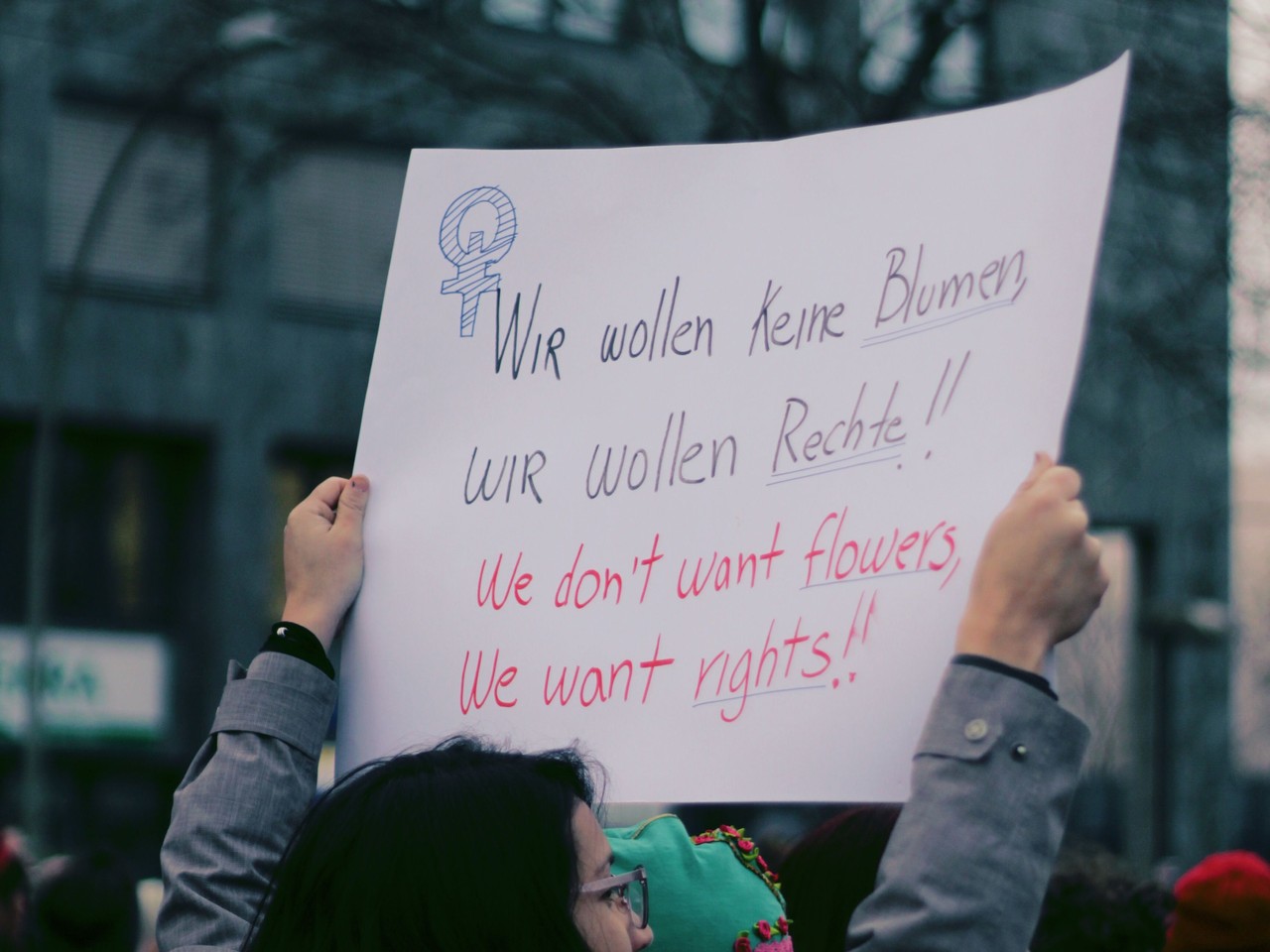
Women’s rights and bodily autonomy matter in their own right. Everyone should be able to pursue education and a career, achieve economic independence, and access sexual and reproductive health services free from violence, discrimination and coercion. These rights must not be treated as tools for changing birth rates or achieving environmental outcomes.
2) Removing barriers to contraception
UNFPA estimated that between 2015 and 2019, 121 million pregnancies each year were unintended—nearly half of all pregnancies. Currently, 257 million women in developing regions who want to avoid pregnancy are not using safe and effective family planning methods. There are a variety of reasons for this, including lack of access, concerns about side effects and social pressure (often from male partners) not to use it.
These women mostly live in some of the world’s poorest countries, where population is set to rise by 3 billion by 2100. Overseas aid support for family planning is essential – both ensuring levels are high enough and that delivery of service is effective and goes hand-in-hand with advancing gender equality and engaging men.
Across the world, some people choose not to use contraception because they are influenced by assumptions, practices and pressures within their nations or communities. In some places, very large family sizes are considered desirable; in others, the use of contraception is discouraged or forbidden.
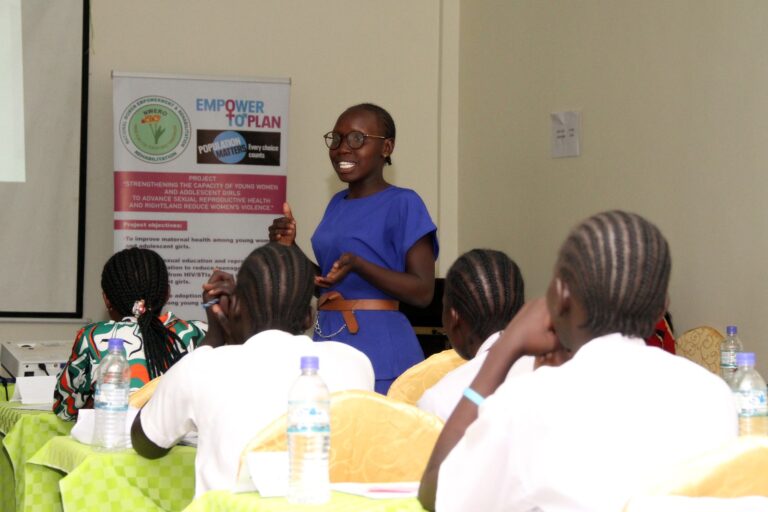
People should be able to make informed decisions about contraception in line with their own needs, beliefs and circumstances. Voluntary family planning services should be accessible, respectful and free from pressure. Work with communities should support accurate information and open discussion while respecting religious beliefs, cultural diversity and individual choice.
3) Quality education for all
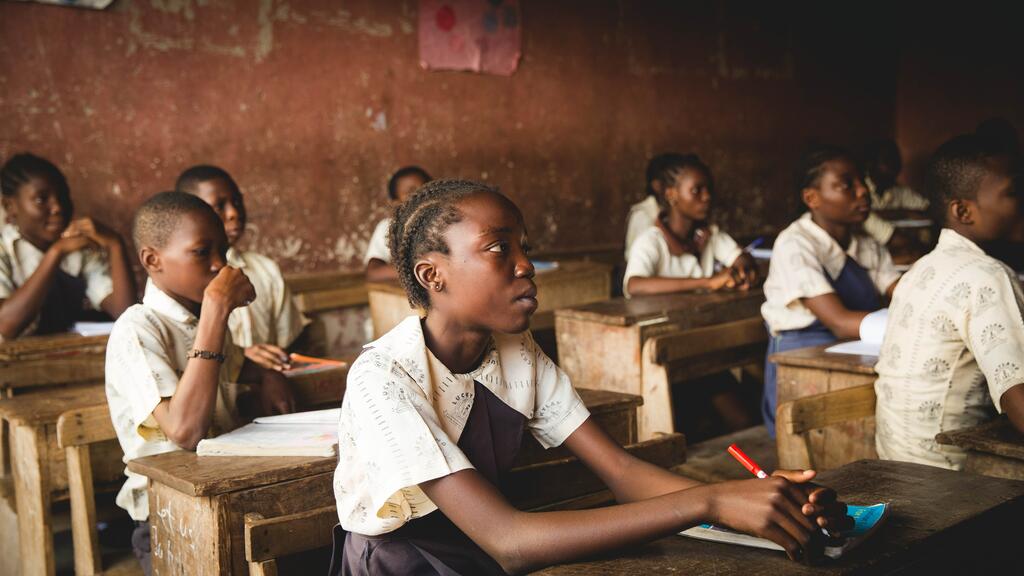
Ensuring every child receives a quality education is one of the most effective levers for sustainable development. Many kids in developing countries are out of school, with girls affected more than boys due to gender inequality. Access to education opens doors and provides disadvantaged kids and young people with a “way out”. There is a direct correlation between the number of years a woman spends in education and how many children she ends up having.
According to one study, African women with no education have, on average, 5.4 children; women who have completed secondary school have 2.7 and those who have a college education have 2.2. When women are able to exercise their reproductive rights, they are empowered to gain education, take work and improve their economic opportunities.
A UN survey showed that the more educated respondents were, the more likely they were to believe that there is a climate emergency. This means that higher levels of education lead to the election of politicians with stronger environmental policy agendas.
4) Global justice and sustainable economies
The UN projects that population growth over the next century will be driven by the world’s very poorest countries. Escaping poverty is a fundamental human right. Reproductive rights and bodily autonomy matter in their own right and must never be treated as tools to bring birth rates down. The work of building a fairer future includes access to healthcare and education, voluntary family planning, international aid, fair trade and global justice. It must address unequal resource distribution and unsustainable economic systems without making population size a target.
5) improving child and maternal health
Everyone has the right to accessible, high-quality healthcare, including maternal, newborn and child health services. People should be able to access voluntary family planning, respectful pregnancy and birth care, and support for their health and wellbeing without pressure about whether, when or how many children to have.
6) REDUCE OUR CONSUMPTION
It’s important to remember that people in the rich parts of the world have a disproportionate impact on the global environment through our high level of consumption and greenhouse gas emissions – in the UK, for instance, each individual produces 70 times more carbon dioxide emissions than someone from Niger. When we understand the implications of our individual impact on the environment, we can take steps to reduce our own consumption of resources. The more of us that work collectively to reduce our consumption, the greater the impact we will have to reduce pressure on the environment and achieve a more sustainable world for all.
Join Us
Join us to champion reproductive rights, access to healthcare and education, and a fairer relationship with our planet.
Join us today!