Belarus’ Birth Rate: Pronatalist Policies and Demographic Challenges
Reproductive rights and bodily autonomy matter in their own right. This article examines Belarus’s pronatalist policies and their reproductive-rights context. Population change can inform public planning; people’s rights and wellbeing come first. Read more in our Gilead Watch series.
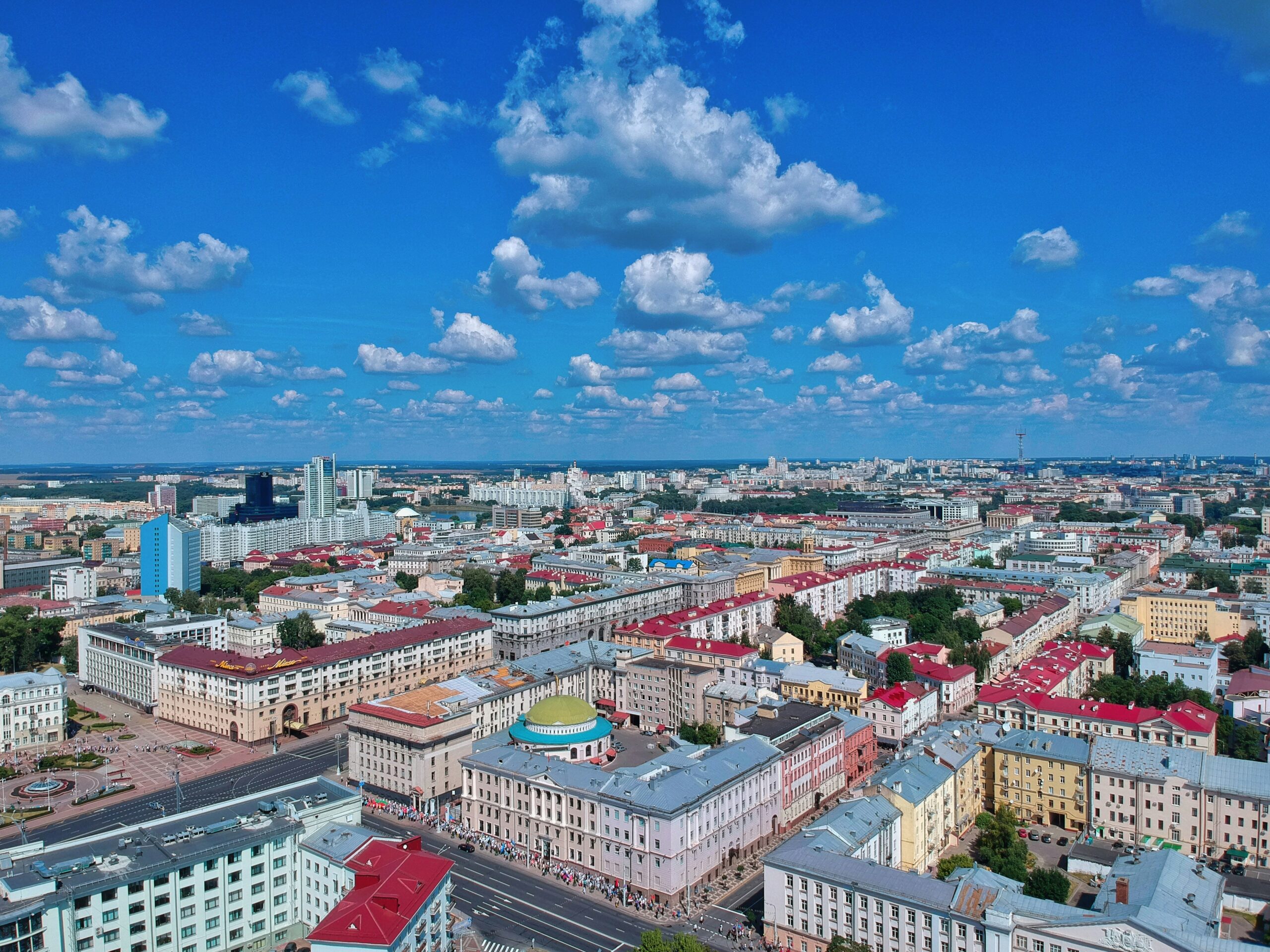
Since gaining independence in 1991, Belarus has faced significant demographic challenges, with a steady decline in birth rates and an ageing, decreasing population. This demographic shift has been compounded by economic instability and increasing emigration, particularly among younger generations seeking opportunities abroad.
Despite efforts by the government to encourage higher birth rates, these trends reflect broader regional challenges shared by many post-Soviet states, highlighting the need for policy reform to address the population’s evolving needs.
The 2025 Election and the Future of Family Policies
The 2025 presidential election in Belarus, held on 26 January and described as a ‘sham’, was significant for the future of demographic policies and women’s reproductive rights in the country. Reproductive rights include the ability to access contraception and safe abortion services, ensuring people can make informed choices about their reproductive health.
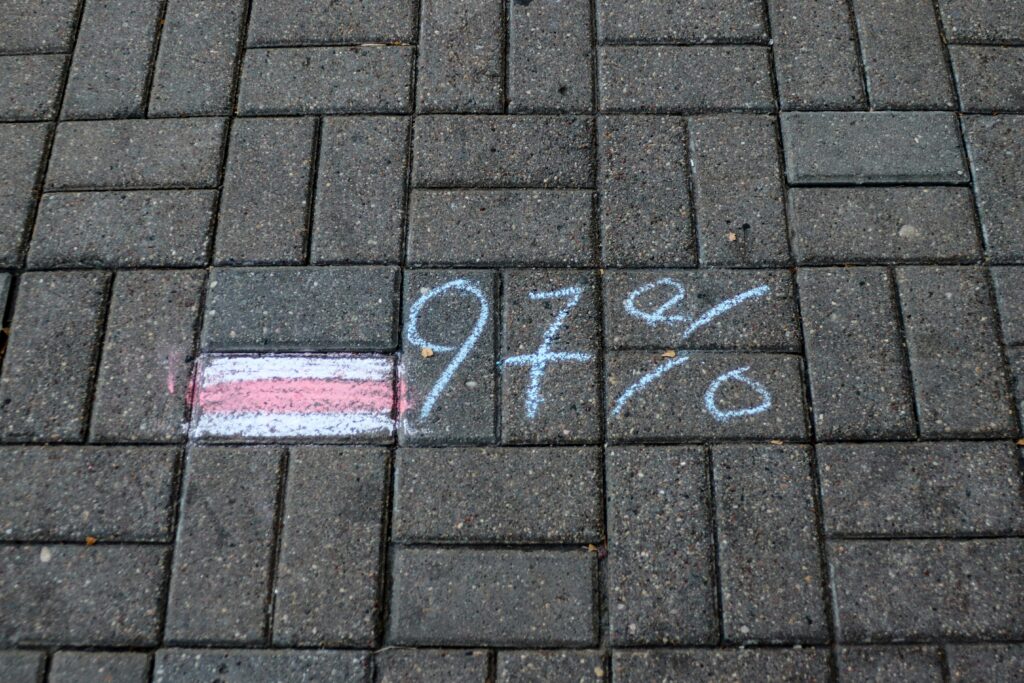
President Alexander Lukashenko has a long-standing grip on power, winning every election since 1994. Given the highly controlled political environment and Lukashenko’s unchallenged authority, his vision for Belarus continues to shape the country’s approach to demographic issues and the reproductive rights of its people. Rather than focusing on the complex realities of population decline and ageing, Lukashenko’s government remains fixated on policies that push for larger families, sometimes at the expense of individual rights.
Lukashenko’s Pronouncements on Birth Rates and Family Policies
In recent years, President Lukashenko has often emphasised the need for higher birth rates to ensure the country’s future. In a speech in July 2023, he urged women to “give birth to three children each, because we need people.” Like many other European leaders, he believes increasing the population is crucial to the nation’s stability and growth. He has previously framed motherhood as the “highest purpose and meaning of life,” echoing a similar sentiment during a March 2023 awards ceremony for women with five or more children.
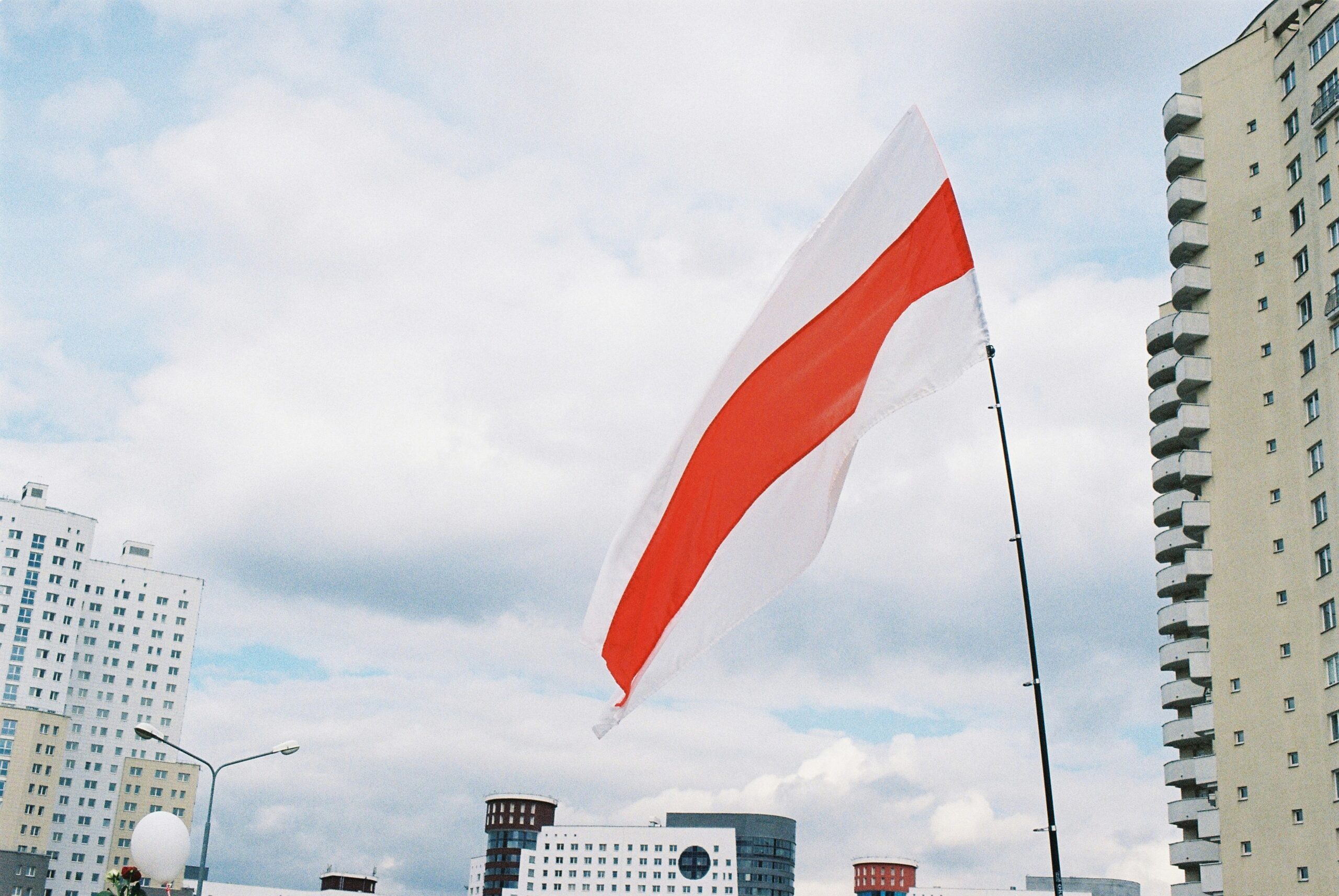
Lukashenko’s comments correspond with his administration’s broader focus on family policies to boost the birth rate and make it harder for women to control their fertility. In 2014, legislation was passed that allowed doctors to opt out of performing abortions on grounds of conscience, significantly restricting access to medical abortions. It also introduced a collection of benefits to encourage people to have more children, including monetary incentives for large families and state support for house building.
In 2022, the UN Women’s Gender Equality Brief described challenges in Belarus around “the lack of consistently and comprehensively available primary health and sexual and reproductive health rights and services.” The European Parliamentary Forum’s 2026 Contraception Policy Atlas gives Belarus a policy score of 39.9% for access to modern contraception. The score describes policy conditions; it is not a direct measure of whether a particular person can obtain a method or service.
The Demographic Realities in Belarus
While Lukashenko focuses on increasing the number of children, Belarus’ demographic trends paint a different picture. Birth rates have been declining steadily in recent years. According to Database Earth, the Total Fertility Rate (TFR) – the average number of children a woman will have over her lifetime – is currently 1.2. The TFR falls well below the 2.1 required to maintain a steady population. This trend is not unique to Belarus but is part of a broader phenomenon that many countries across the globe are experiencing.
The government’s focus on increasing birth rates misses the mark by ignoring the broader societal and economic implications of these trends. It ignores the complex realities of modern family life, where economic stability, access to education and personal freedom often shape decisions about having children.
The Need for Creative Solutions
Reproductive rights, bodily autonomy, quality education and voluntary family planning are ends in themselves. Everyone should be able to make informed decisions about whether and when to have children and to access the healthcare and services they choose, without discrimination, coercion or violence. These rights do not depend on whether birth rates rise or fall.
Coercive pronatalist policies cannot solve Belarus’s demographic challenges, including an ageing population; instead, creative, rights-based solutions are needed. Our report, Silver Linings not Silver Burdens, highlights several such solutions. These include reducing unemployment, stimulating greater productivity – especially by exploiting new technology – and valuing older people and the contributions they can make to society. This should also involve investing more resources in their wellbeing.
Demographic change can inform planning for public services and support across generations. It is not a target. A fair and sustainable future depends on protecting rights and wellbeing while addressing environmental pressures, unequal consumption and the systems that shape how resources are produced and shared.
Population Matters works for a world in which everyone can decide freely if and when to have children, with their reproductive rights and bodily autonomy respected.