
News from Population Matters.
-

Time to talk population again
This week, representatives from Population Matters will attend one of the most significant global meetings on population and development in recent years, the Nairobi Summit on ICPD 25. They will be taking the message that securing sustainable population is an essential goal, that it can and must be done through means that respect and enhance…
-
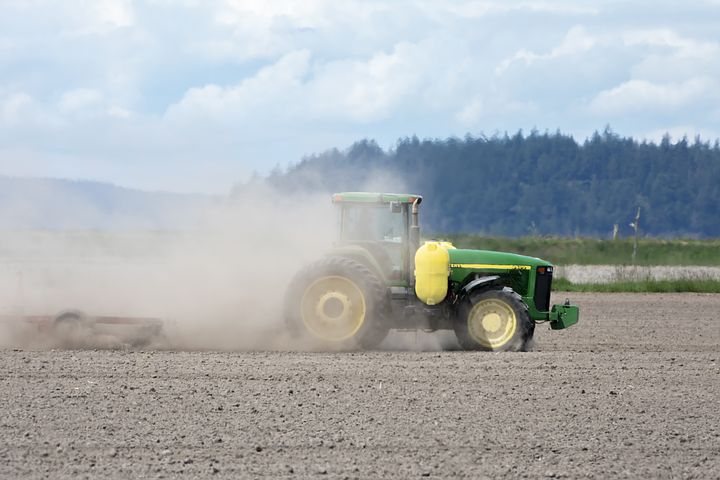
Organic agriculture could increase climate emissions without changes in population and diet
A new study shows that converting all farmland in England and Wales to organic agriculture could increase greenhouse gas emissions because meeting the food demands of the UK population would require using more land abroad. Modern agriculture is a leading cause of biodiversity loss, pollution, and climate change emissions – a global shift towards less destructive…
-
Scientists call for improving contraceptive use to fight climate change
A new commentary article published in BMJ Sexual & Reproductive Health, and picked up by the Daily Mail, urges wide-scale adoption of policies that aim to increase the use of modern contraception as part of global efforts to reduce climate emissions. Based on the simple (yet still widely ignored) fact that population growth is a…
-
UK biodiversity report: more of us, less of them
The latest edition of the most authoritative report on biodiversity in the UK has just been released – State of Nature 2019. The 2016 version described the UK as “one of the most nature-depleted countries in the world”. This new edition makes clear there has been no improvement. Our Head of Campaigns, Alistair Currie, looks…
-
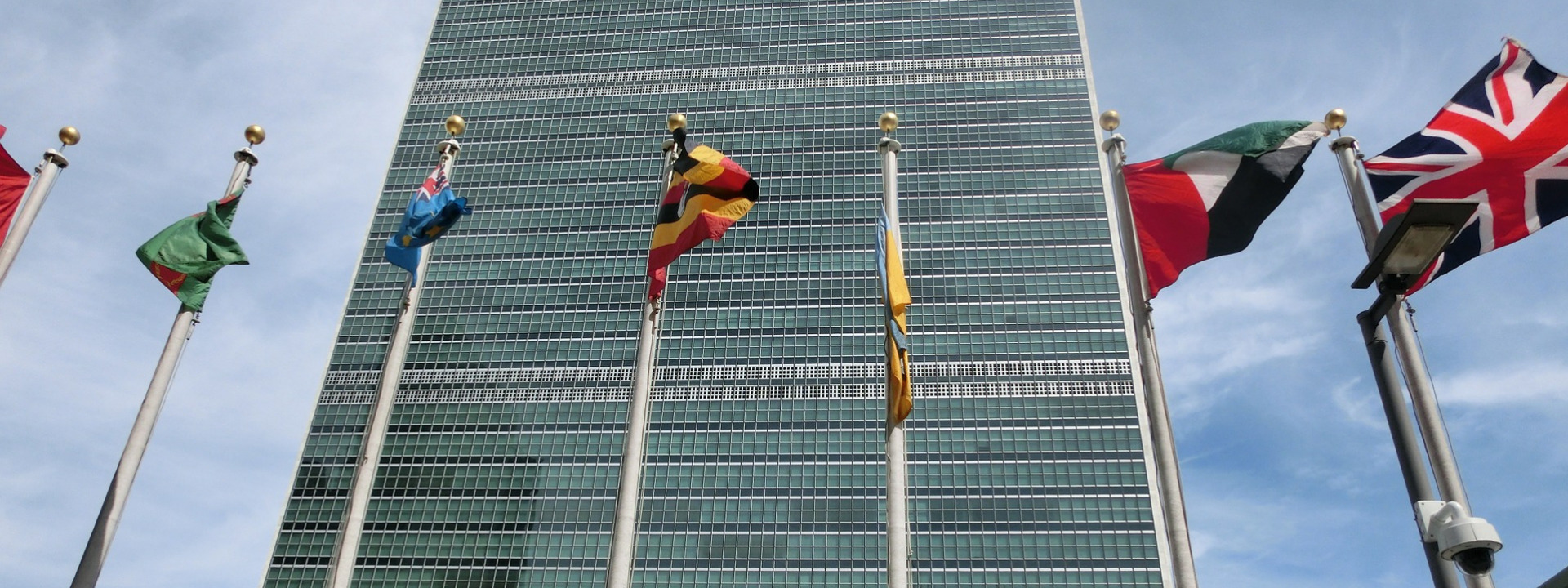
UN Climate Action Summit fails to deliver climate action
The UN’s Climate Action Summit in New York City wrapped up yesterday, leaving many environmentalists feeling deeply disappointed. Despite pressure from youth activists led by 16-year-old Greta Thunberg, a record-breaking attendance at last Friday’s global Climate Strike, and a call to action from Sir David Attenborough, world leaders yet again failed to make meaningful commitments. Growing…
-

The most powerful action to save the planet is the most neglected one
In our latest blog post, our Digital and Communications Officer, Olivia Nater, writes that as well as being just and morally essential, achieving global gender equality would make an unparalleled contribution to improving lives, reducing emissions and halting the destruction of nature. However, it remains a chronically underfunded and overlooked solution. Empowered women who have…
-

US loses ‘football field’ worth of nature every 30 seconds
A new report from the Center for American Progress (CAP) reveals that more than 24 million acres of nature have been lost from the contiguous United States between 2001 and 2017 due to human development; the equivalent of one football field every 30 seconds. The fastest rate of destruction occurred in the South and Midwest,…
-

Despite economic growth, billions won’t have enough fruit and veg by 2050
A new Lancet study analysing the gap between future fruit and vegetable supply and recommended consumption levels found that even under the most optimistic socioeconomic growth scenarios, there won’t be enough to go around by mid-century. Poor diets, increasing hunger Using the WHO’s minimum recommended amount of 400 g/person per day, the study found that…
-
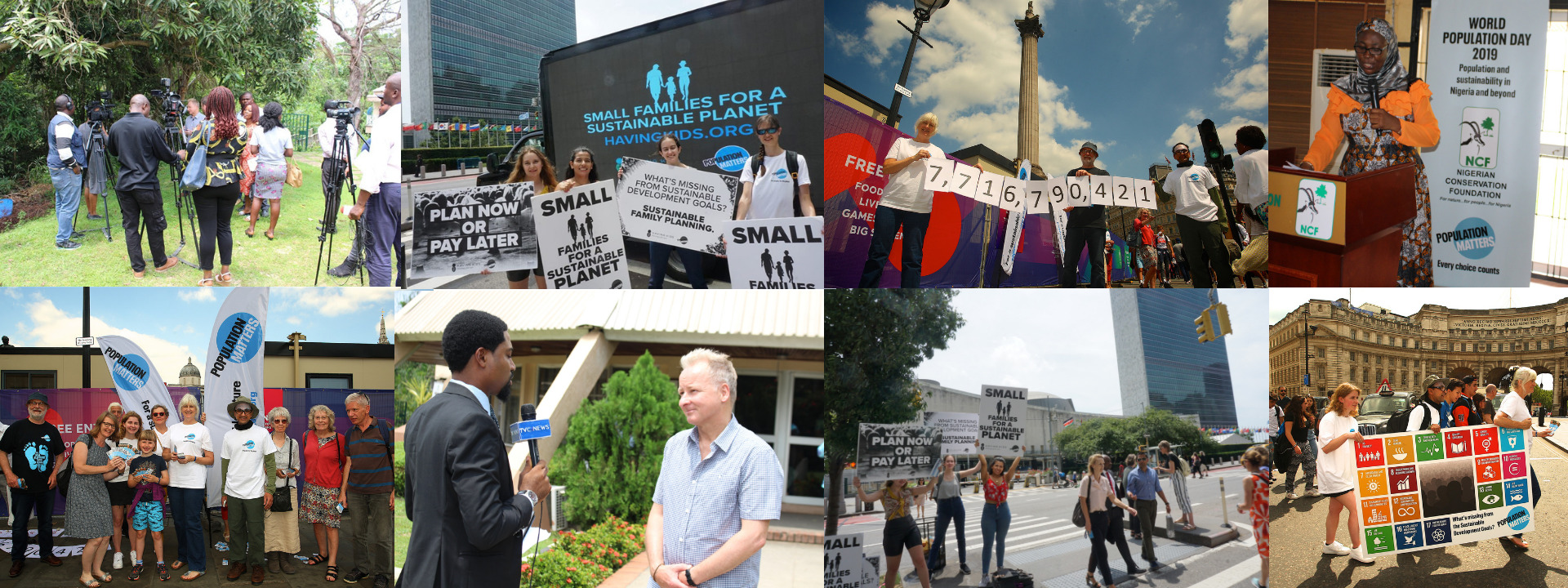
Going global on World Population Day
This World Population Day, 11 July 2019, Population Matters went global by running events in three continents. Thanks to our supporters and allies, we had a very successful day in Lagos, Nigeria, London, UK and New York, USA, developing new partnerships, raising awareness of population issues, and pushing them up the international agenda. We received more media coverage…
-
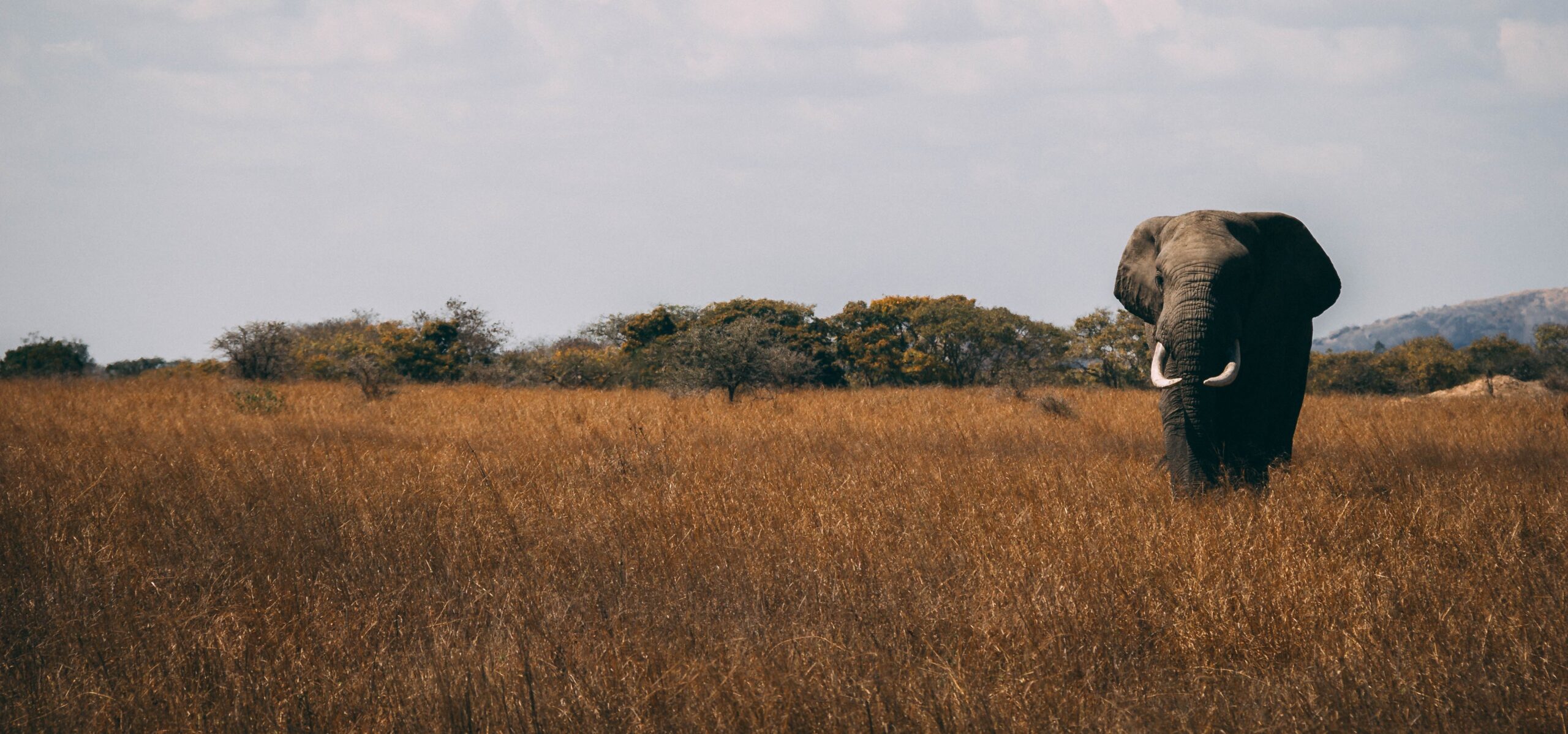
One million species face extinction unless we address population growth
A major new UN report on the state of the world’s biodiversity grabbed headlines this week with its alarming message that nature is being destroyed faster than ever before. Three-quarters of all land environments and two-thirds of all marine environments have been severely damaged by humans over the past five decades, leading to one million…