Global justice
Every person has the right to live with dignity and security and to make decisions about their own life, including whether or when to have children. Reproductive rights, bodily autonomy and access to healthcare and education are ends in themselves. Tackling poverty and inequality means challenging the systems that deny people fair access to resources and opportunity.
Everyone deserves fair access to the services, healthcare and education they need to live with dignity. UN DESA’s 2023 report estimated that the population of the least developed countries (LDCs) would grow from 1.2 billion in 2023 to almost 1.9 billion by 2050. The report says population growth can make it harder for governments to increase per-person public spending needed to eradicate poverty, end hunger and malnutrition, and provide universal access to healthcare, education and other essential services. This is a public-planning challenge, not a target for population size or a reason to limit anyone’s reproductive rights.
Poverty and inequality
Reproductive rights and bodily autonomy are ends in themselves. People’s decisions about whether or when to have children must never be treated as tools for achieving a development or population outcome. Work to end poverty and inequality must respect those rights and confront the political and economic systems that deny fair access to resources and opportunity.
Challenging inequity
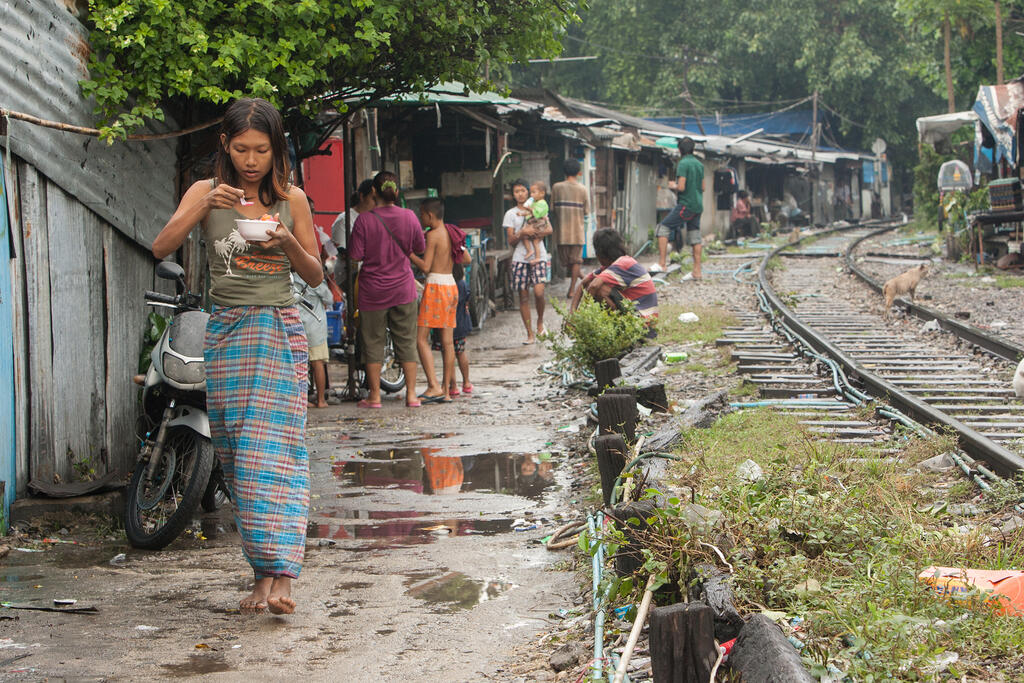
Poverty is not a consequence of limited global resources, but political and economic injustice. The World Bank estimates that 824.3 million people (10.1% of the global population) lived in extreme poverty in 2024, defined as less than US$3.00 per person a day in 2021 purchasing power parity terms. The IPCC finds that, between 2010 and 2020, human mortality from floods, droughts and storms was 15 times higher in highly vulnerable regions than in regions with very low vulnerability. It also identifies poverty, governance challenges and limited access to basic services and resources among factors associated with higher vulnerability.
Trade, aid and justice
Most of the drivers of continued poverty are a product of the choices, policies and past and present actions of governments in the wealthiest parts of the world. Those include colonialism, slavery, support for poor or repressive governments, and the abuse of economic power. The international community and in particular the most affluent must address those injustices.
Preliminary OECD figures show that Development Assistance Committee members and associates provided US$174.3 billion in official development assistance (ODA) in 2025, 0.26% of their combined gross national income. Only four exceeded the UN target of 0.7%: Denmark (0.72%), Luxembourg (0.99%), Norway (1.03%) and Sweden (0.85%). Germany was the largest provider by volume, followed by the US and UK. The US provided US$29.0 billion (0.09% of GNI); UK ODA was US$17.2 billion (0.43%), with a further reduction from 0.5% to 0.3% of GNI announced for 2027. Access to voluntary family planning, healthcare, women’s empowerment and education must be supported because these advance people’s rights, choices and wellbeing in their own right.
Debt relief also has a critical role to play.
In 2018, officially recorded remittances to low- and middle-income countries reached a record US$529 billion. In April 2019, the World Bank expected flows to reach US$550 billion that year and reported that remittances were already more than three times the size of official development assistance. Domestic immigration policies in wealthy countries must not be based solely on nationalistic interests; they should also recognise migration’s contribution to economic development globally.
Unfair global trade exacerbates poverty. Producers and exporters from poorer countries are underpaid for their products, natural resources are extracted exploitatively, and workers supplying multinational companies may be subject to job insecurity, low pay and bad conditions. Meanwhile, wealthy countries may use tariffs on imports and subsidies to their own industries to disadvantage foreign businesses. Fairer terms of trade are essential.
The Office for National Statistics’ UK analysis reported that consumption-based CO₂ emissions were 37% higher than territorial emissions in 2007, with emissions embodied in imports among the factors. This dated example shows why environmental impact cannot be assessed from domestic emissions alone.
Change from within
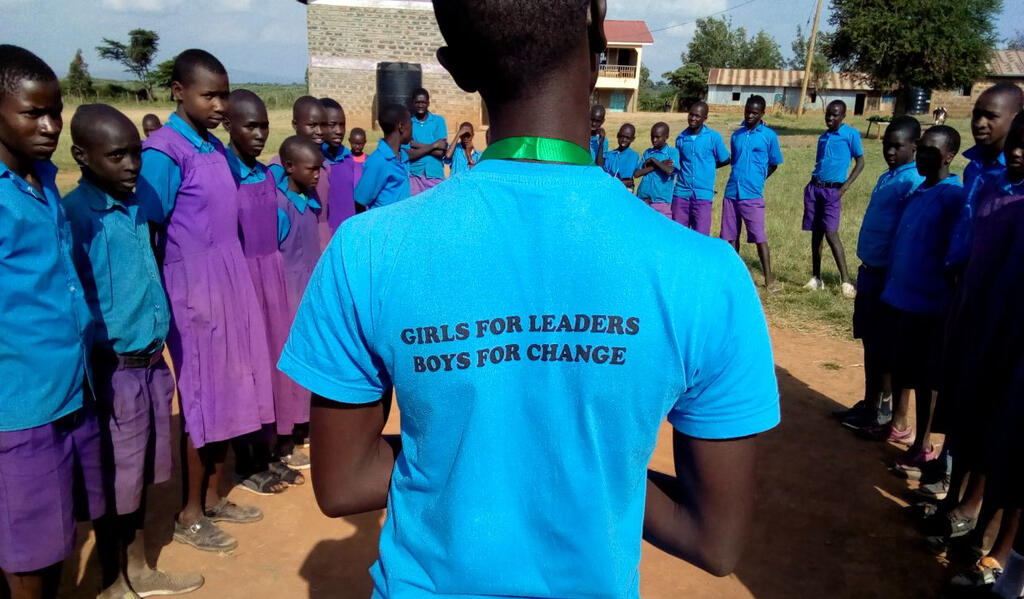
Like other nations, poor countries can also be afflicted by bad governance and internal challenges. Where they exist, corruption, repression, bad policymaking, poor investment, and harmful social norms such as gender inequity all act as brakes on economic development. Those campaigning against these forces in their own countries need the strongest support from the rest of the world.
Global justice and fundamental reform
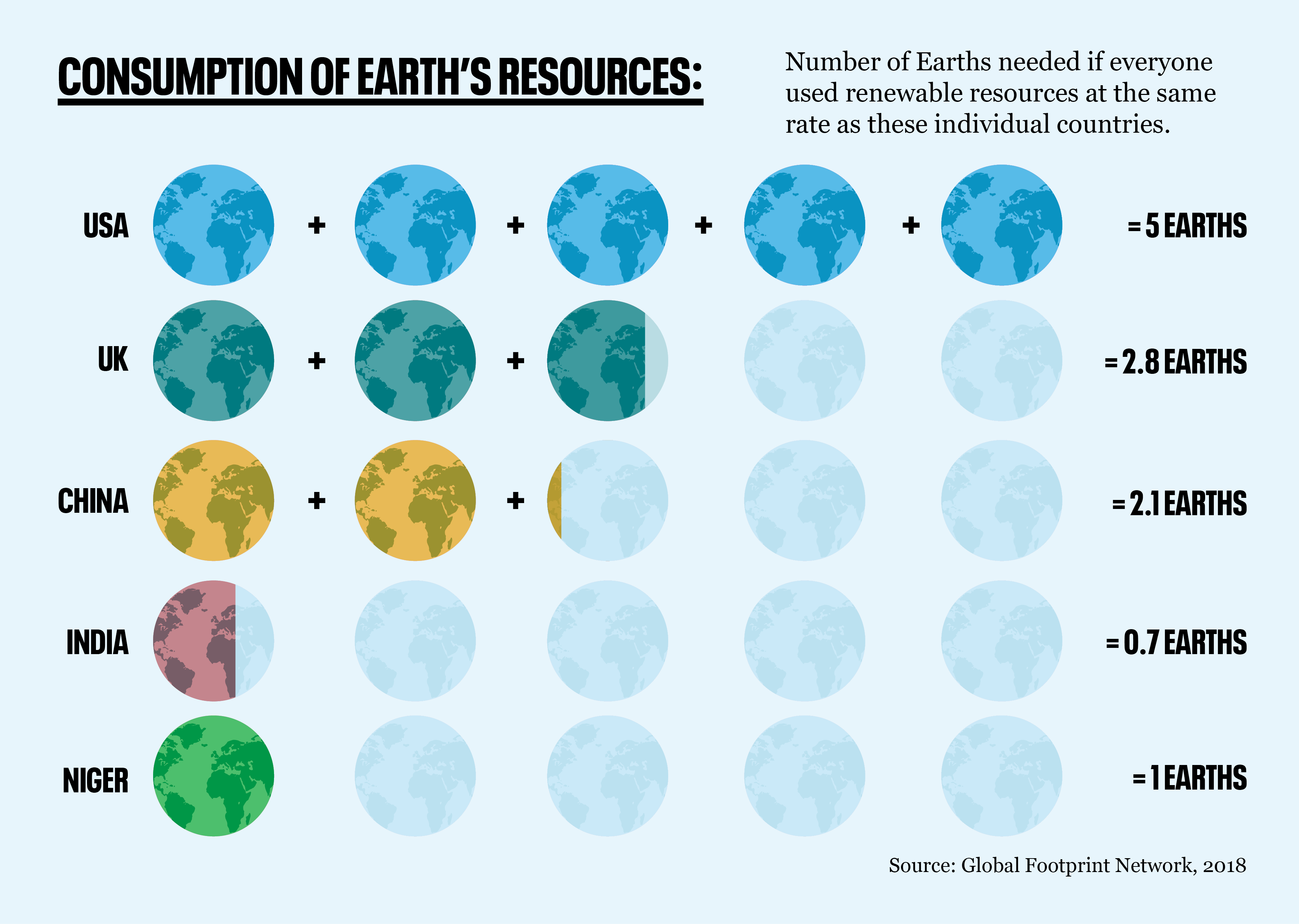
While poverty can also drive significant environmental destruction, the core driver of our global environmental crisis is overconsumption in the affluent parts of the world. This is in part driven by unsustainable and excessive consumer demand, and the choices of individual consumers in wealthy societies must play a critical role in addressing inequity and promoting sustainability. The free choice of consumers can be limited, however, and change at a more fundamental level is needed.
The economy is a wholly owned subsidiary of the environment.
– Herman Daly, former World Bank Economist & Expert Advisor to Population Matters
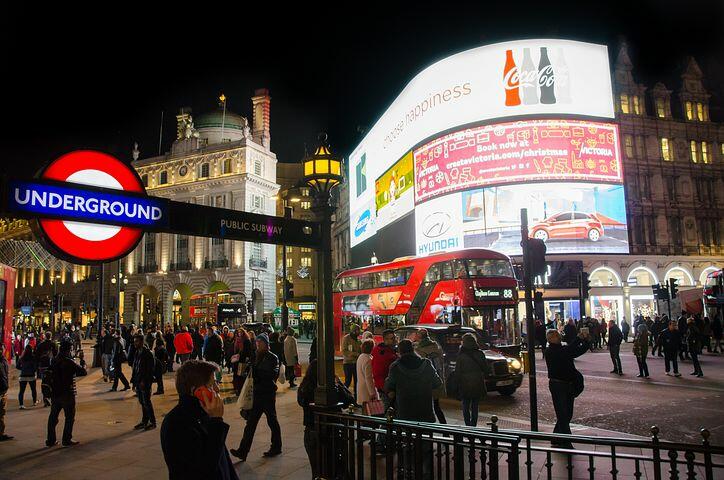
Underlying unsustainable consumption is an economic system based on continued growth in production, consumption and profit, and on disregard for the environmental impacts caused by economic activity.
Increasingly, progressive economists are questioning this model, noting that the purpose of the economy is to improve people’s wellbeing. Above a certain point of affluence, material gains make little impact on people’s happiness, but contribute to resource depletion, climate change and other critical environmental challenges.
In a 2015 article, Jason Hickel reported that the poorest 60% of humanity received 5% of the income generated by global GDP growth between 1999 and 2008. Economic growth is essential for those living in poverty, and need not follow the same unsustainable patterns as in affluent countries. Reproductive rights and bodily autonomy are ends in themselves and must never be used to pursue a population or environmental outcome. Environmental policy should address production systems, unequal consumption, technology, policy and historical responsibility, while protecting people’s rights and dignity. That way, everyone can live in dignity and security, while ensuring that future generations can do the same.
A global economic and political system which reduces inequality, empowers the most vulnerable, and focusses on wellbeing within the ecological limits of our planet is essential.