
News from Population Matters.
-
The most powerful action to save the planet is the most neglected one
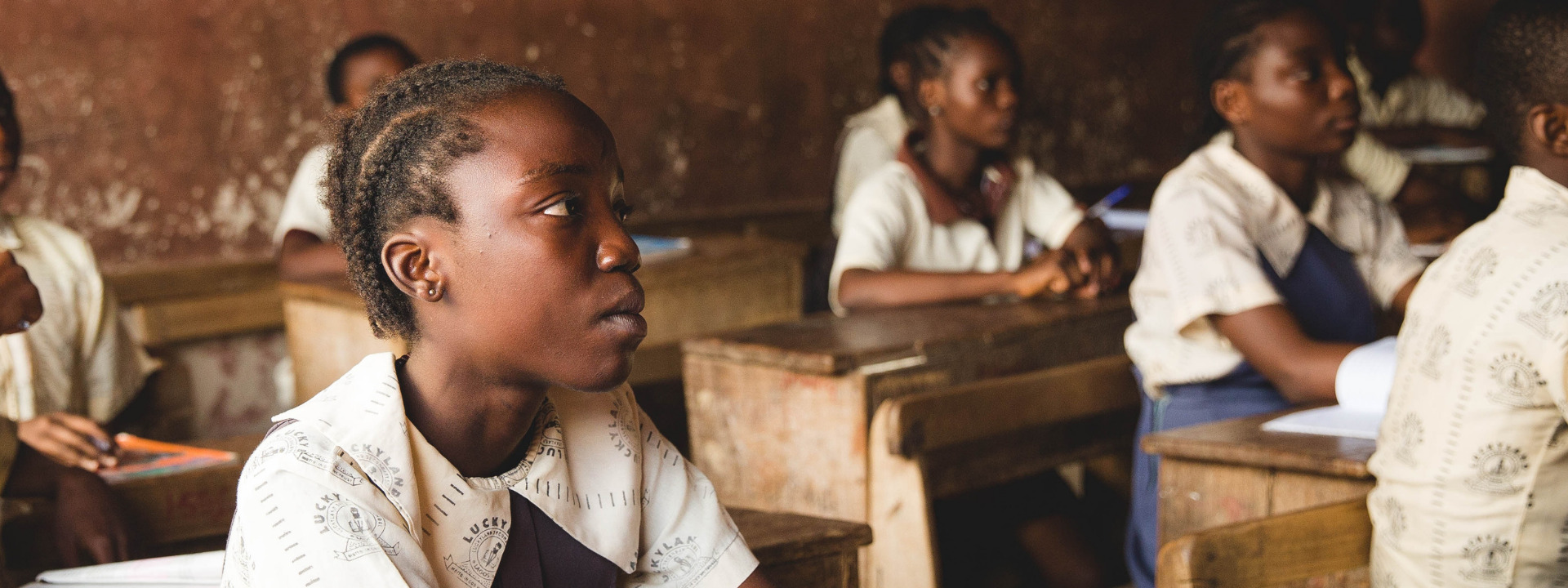
In our latest blog post, our Digital and Communications Officer, Olivia Nater, writes that as well as being just and morally essential, achieving global gender equality would make an unparalleled contribution to improving lives, reducing emissions and halting the destruction of nature. However, it remains a chronically underfunded and overlooked solution. Empowered women who have…
-
Despite economic growth, billions won’t have enough fruit and veg by 2050
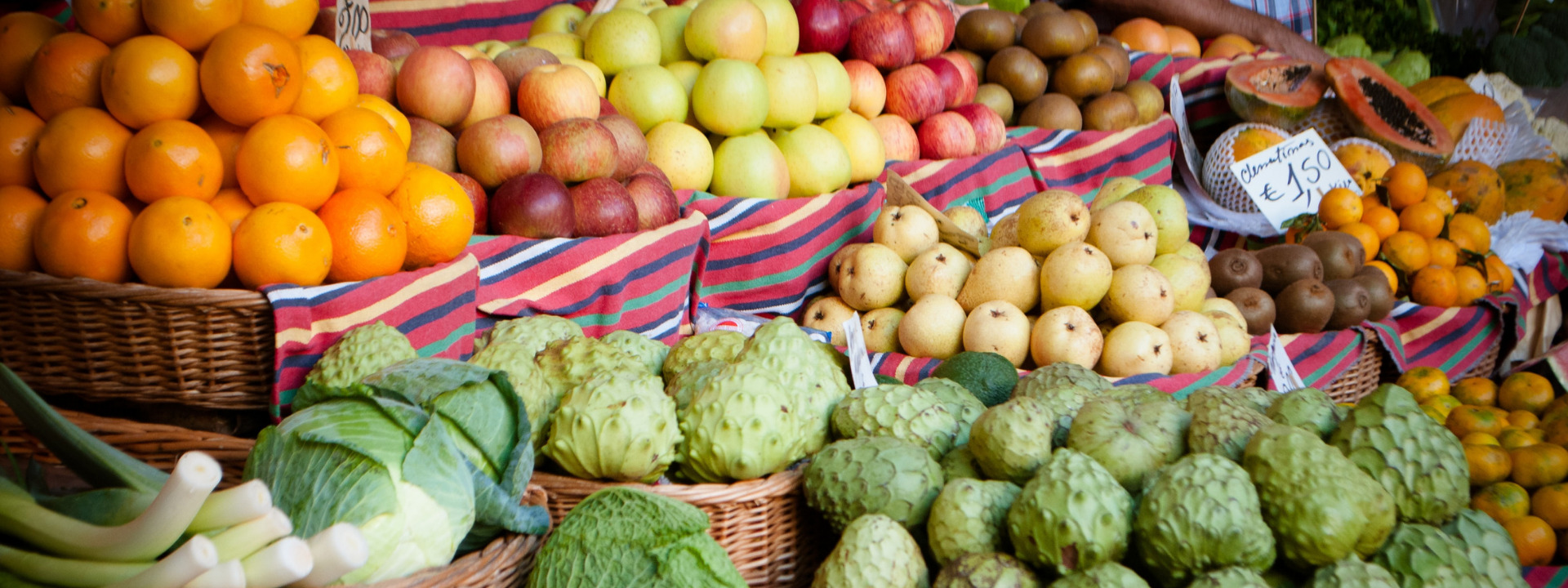
A new Lancet study analysing the gap between future fruit and vegetable supply and recommended consumption levels found that even under the most optimistic socioeconomic growth scenarios, there won’t be enough to go around by mid-century. Poor diets, increasing hunger Using the WHO’s minimum recommended amount of 400 g/person per day, the study found that…
-
Going global on World Population Day
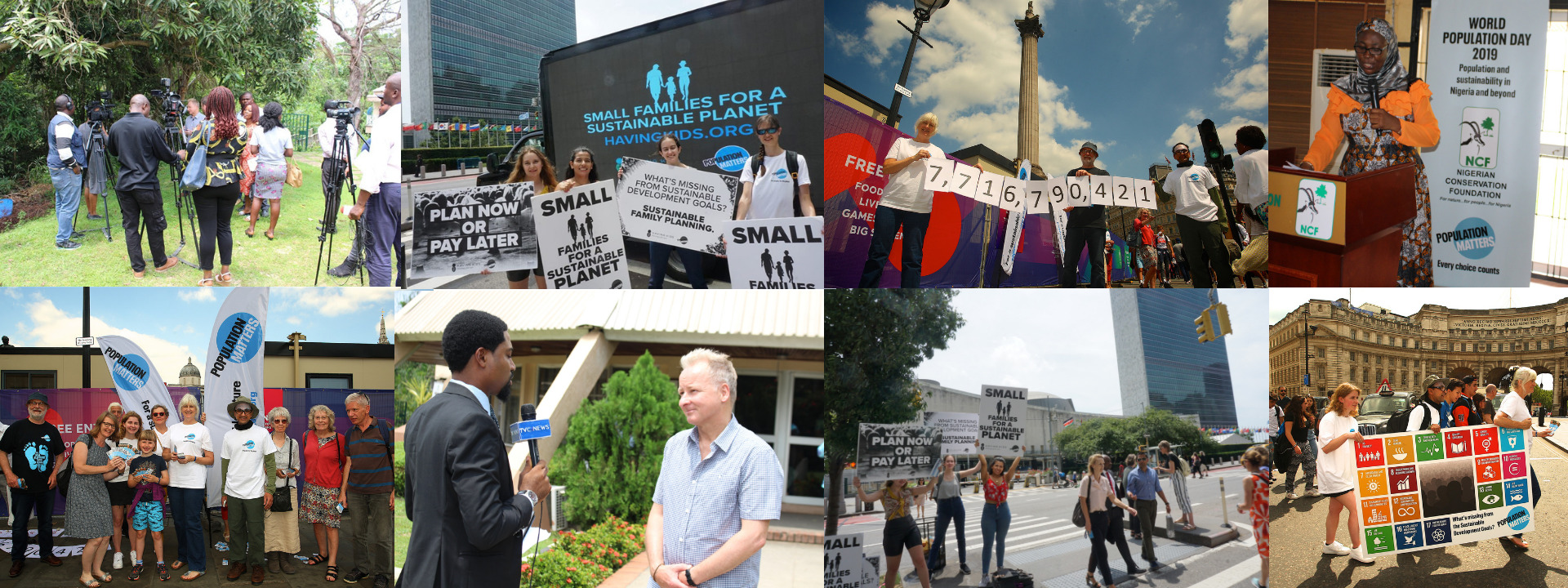
This World Population Day, 11 July 2019, Population Matters went global by running events in three continents. Thanks to our supporters and allies, we had a very successful day in Lagos, Nigeria, London, UK and New York, USA, developing new partnerships, raising awareness of population issues, and pushing them up the international agenda. We received more media coverage…
-
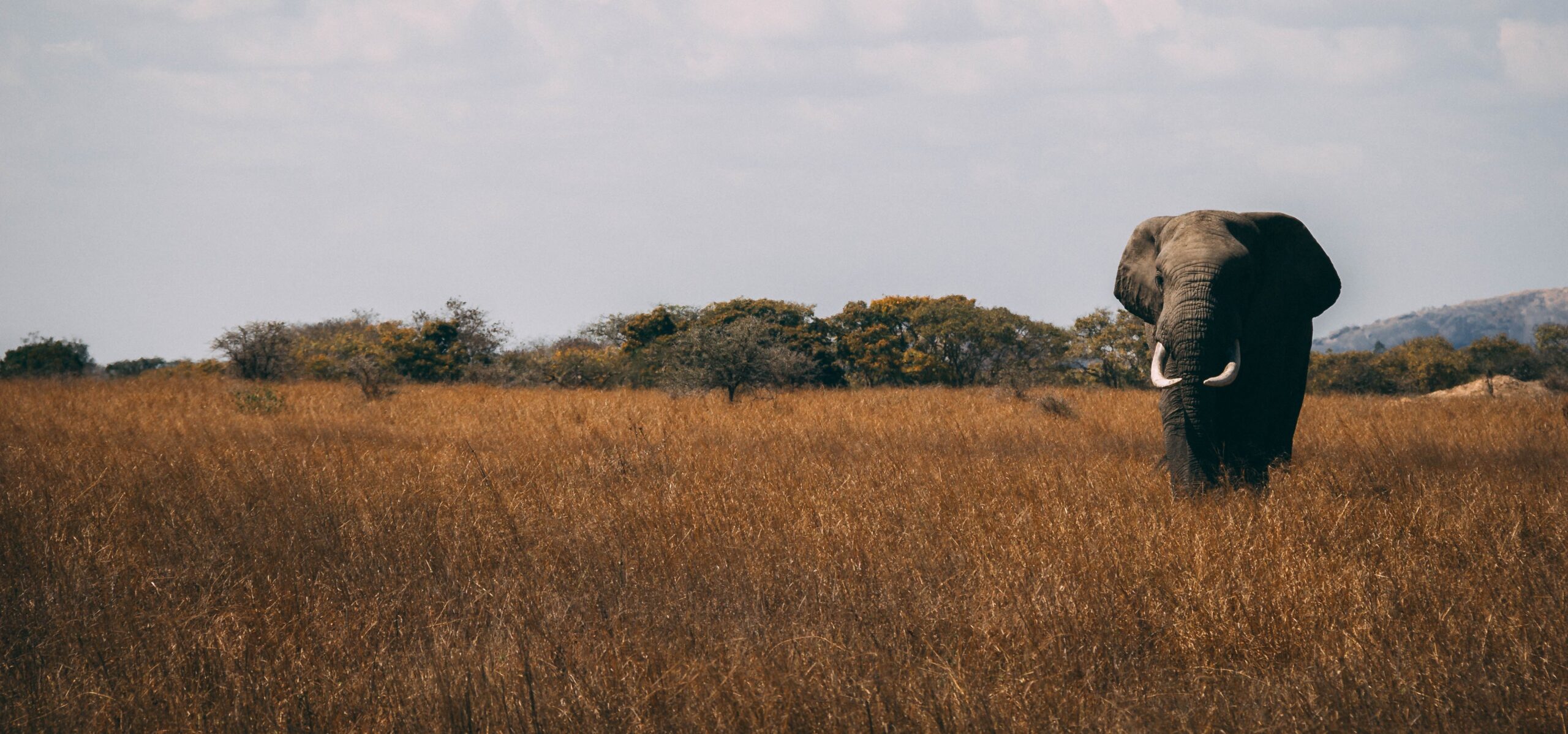
One million species face extinction unless we address population growth
A major new UN report on the state of the world’s biodiversity grabbed headlines this week with its alarming message that nature is being destroyed faster than ever before. Three-quarters of all land environments and two-thirds of all marine environments have been severely damaged by humans over the past five decades, leading to one million…
-

Letting the elephant out of the room: Our 2019 Conference
Population Matters’ public conference in London this past Saturday left attendees feeling enlightened and inspired. Following a successful first conference last year on human population and climate change, this year’s theme was the crucial link between population growth and biodiversity loss. With an incredibly knowledgeable international panel of speakers from diverse backgrounds, it was a…
-
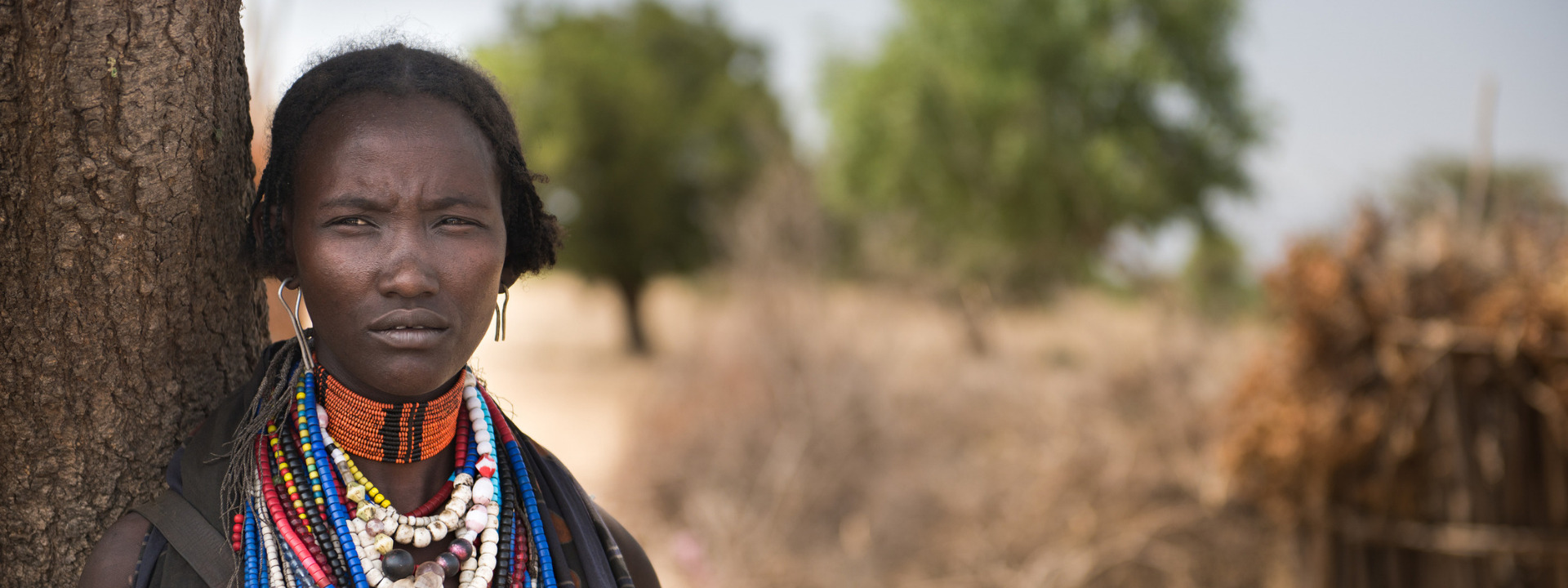
State of the World Population: Women and girls left behind
The latest UNFPA State of the World Population report highlights widespread and persistent gender inequality, with hundreds of millions of women around the world still unable to control how many children they have. ‘Unfinished business’ This year’s report, titled Unfinished Business: the pursuit of rights and choices for all, includes, for the first time, data on women’s ability…
-

Population and consumption causing extinction crisis and water shortage
The latest Global Resources Outlook report by the United Nations Environment Programme shows that humanity is now using three times as many natural resources as during the 1970’s, resulting in species loss and water shortage. The report found that the countries with by far the greatest impact are those that combine a large population with a…
-

Global risks: where does population rank?
An online survey of over 10,000 adults across nine countries found that more than two thirds of respondents consider population growth a “global catastrophic risk”. However, less than a quarter believe the issue requires urgent action and just over half believe continued population growth will have “negative effects”, down from 64% in 2017. One in two people wrongly…
-

US and China’s population growth at new low
The population of the United States grew by 0.6% between July 2017 and July 2018, which is the lowest recorded annual growth rate since 1937. A similar trend is happening in China, which increased by 0.4% in the past year and is expected to reach zero growth in the next 10 years. The latest US census…
-
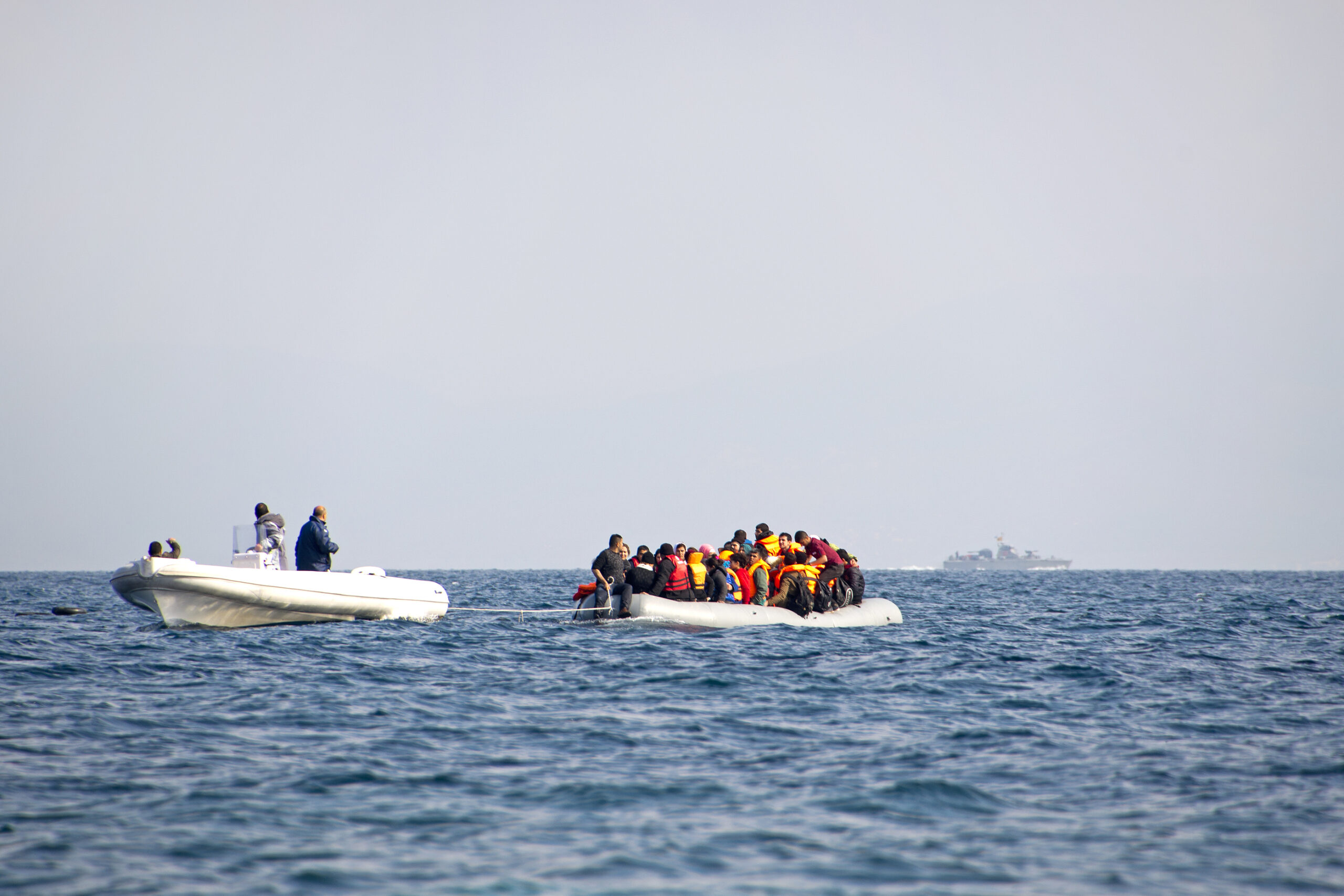
Making migration safe
On Tuesday, countries from across the world met in Marrakesh to adopt the Global Compact for Safe and Orderly Migration, whose text was agreed this summer, and published on World Population Day, 11th of July. Our Head of Campaigns and Communications, Alistair Currie, examines its provisions, and asks if it goes far enough. The crisis…