
REPRODUCTIVE RIGHTS, BILL GATES AND UN POPULATION CLAIMS
Population policy must never become a pretext for pressure or coercion. When claims about population circulate, check the original source, its date and what it actually says. This explainer examines claims about Bill Gates and the UN and points readers towards the evidence.
Bill Gates and population
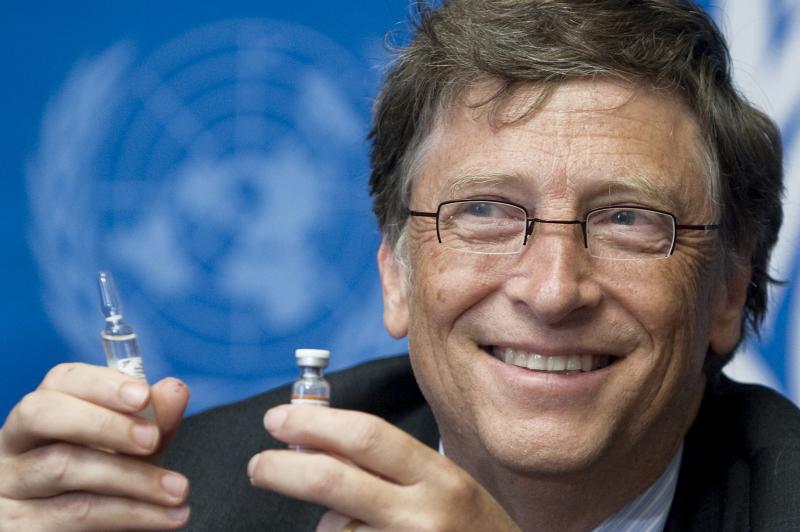
What’s the connection between the tech billionaire and population concern? It appears a surprisingly large number of people believe Gates is on a mission to wipe out the human species through forced injection with fertility-blocking, mind-controlling or otherwise poisonous substances and ‘microchips’ disguised as COVID-19 vaccines. Some even believe the COVID-19 pandemic was deliberately engineered by Gates and other ‘global elites’, including the United Nations (more on that below), to depopulate the world.
This idea is often referred to as ‘The Great Reset’, which was originally just the name of an entirely non-sinister pandemic recovery initiative by the World Economic Forum (WEF), which meets annually in Davos. While theories about a depopulation conspiracy come in many different stripes, one or all of Gates, the UN and Davos usually feature in them.
A 2020 US election poll of 5,500 people found that a fifth of respondents shared this belief. Where did these conspiracy theories come from?
The Bill and Melinda Gates Foundation has long supported reproductive health and rights in developing countries, including family planning services. The Foundation has also pledged billions in support of vaccination programmes. Bill Gates has publicly spoken out about the benefits of slowing population growth through improved healthcare several times. For example, in a 2010 TED talk on ways to reduce climate emissions, the wealthy entrepreneur acknowledged the population factor and stated we could reduce this “if we do a really great job on new vaccines, healthcare, reproductive health services.”
Vaccines and healthcare matter because they support people’s health and wellbeing. Reproductive health services and voluntary family planning also matter in their own right: everyone should be able to make informed decisions about whether and when to have children. None of these services should be presented as a means of achieving a preferred population or climate outcome.
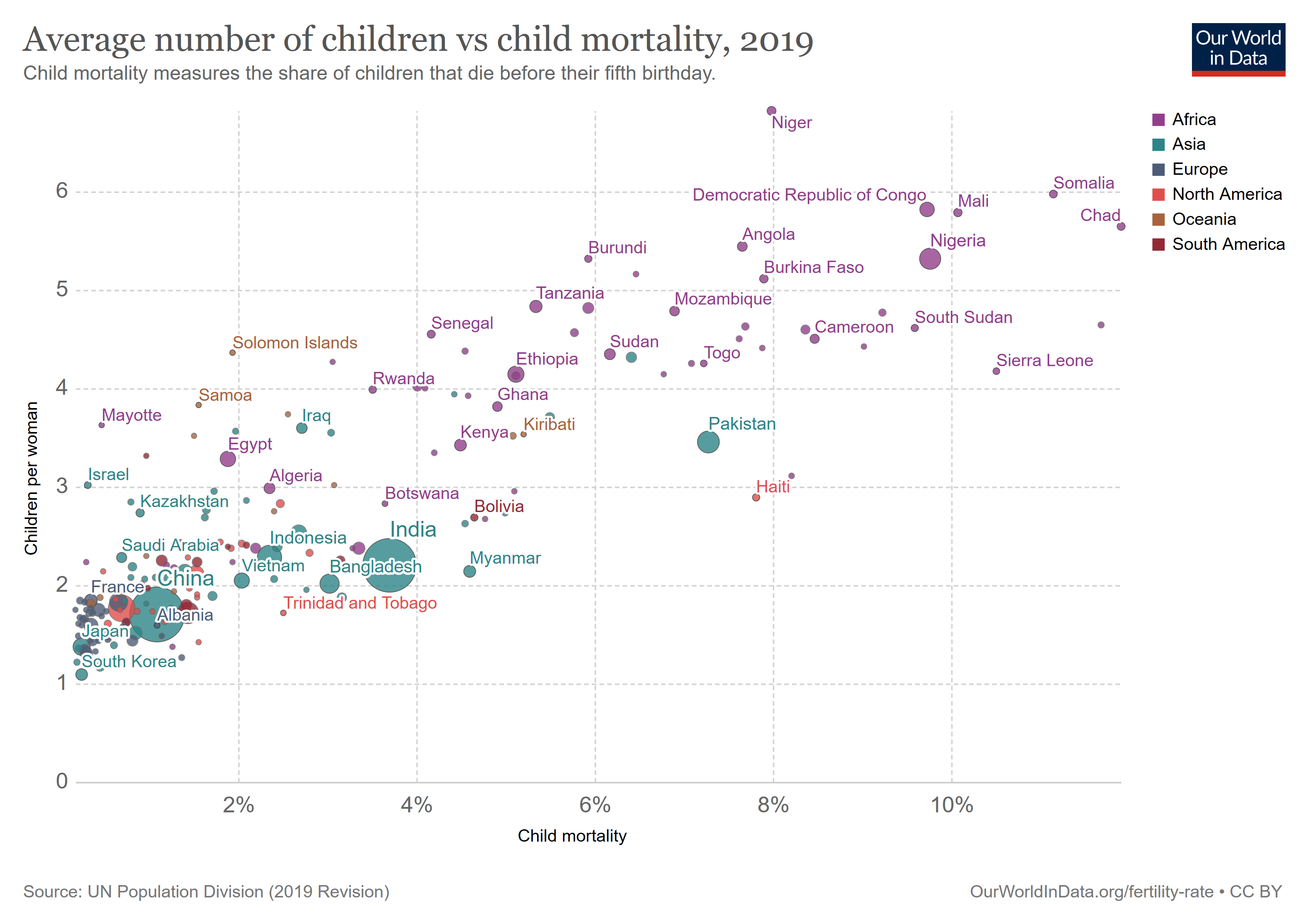
The pandemic-driven conspiracy wave has also swept along some far-right anti-abortionists, who think “reproductive health services” is just a sneaky name for promoting abortions. Actually, improving access to reproductive health services leads to fewer abortions as when women are empowered to use contraception, their risk of unwanted pregnancy is hugely reduced. Those who don’t like abortions should therefore be donating to women’s rights and family planning organisations.
Like many high profile figures, Bill Gates attracts controversy and criticism – but the work done by the Bill and Melinda Gates Foundation has been immensely positive. Let’s not demonise or be cynical about beneficial investments on such a massive scale – we urgently need more international funding for sexual and reproductive health and rights and other vital health services, especially in light of recent harmful aid cuts.
Reproductive rights in Agenda 21 and Agenda 2030
Reproductive rights and bodily autonomy are ends in themselves. The UN’s 2030 Agenda, adopted in 2015, sets out 17 Sustainable Development Goals. Its reproductive-health commitments concern access to services and rights.
Target 3.7 calls for universal access to sexual and reproductive healthcare, including family planning, information and education. Target 5.6 calls for universal access to sexual and reproductive health and reproductive rights. Those targets do not prescribe a smaller world population or limit anyone’s reproductive choices. Read the original Agenda 2030 text.
The earlier UN document is Agenda 21, agreed at the 1992 Rio Earth Summit. It discusses demographic policy in Chapter 5. Paragraphs 5.49–5.50 describe reproductive healthcare and people’s freedom to decide about their children. This historical policy language should be read in context; PM’s position is that everyone must be free to decide whether and when to have children, without pressure, targets or coercion. Read Agenda 21, Chapter 5.
There are, of course, many factors at play in this distortion of the intentions and consequences of the UN’s sustainable development agenda. The United Nations has long attracted hostility for its international perspective, and a false perception that it seeks to be a “world government”. Similarly, suspicion of experts, scientists and “elites” has deep roots, and benefitted from recent nourishment by populist politicians who see advantage in playing on the fears and misunderstandings of some parts of their electorates.
In reality, whatever its limitations and failings, the UN and its health and family planning programmes have overwhelmingly been a force for good in defending and empowering the world’s most vulnerable people, not least women and girls.
Even Prince William was recently dragged into the conspiracy quagmire following a viral Facebook post that accused him of being part of this supposed evil movement, just because he’s expressed concern about rapid population growth in the past.
What is actually being done about population?
Reproductive rights include everyone’s freedom to decide whether and when to have children. Population Matters works for access to healthcare, education and voluntary family planning. These rights matter in their own right. We do not support a target to end population growth. UNFPA’s 2021 report found that only 55% of women covered by the available data from 57 countries could make their own decisions about healthcare, contraception and sex; this was not a measure of every woman or every aspect of her life. The UN’s 2024 medium projection puts the world population at about 10.2 billion in 2100. This is a projection, not a fixed outcome, and it should never be used to limit anyone’s reproductive choices.
Ramping up positive action to empower women and communities to be able to exercise their reproductive rights is morally essential, would generate immediate benefits for everyone, and put us on a path towards a happier, healthier future.
With so many real crises in urgent need of attention, it is deeply worrying that harmful conspiracy theories have become so popular. If you encounter people who have been fed misinformation, please reach out to them – here’s some good guidance on how to do that and please also see our facts and solutions pages for useful information on the population issue and common misconceptions. The internet is a dangerous place – stay safe out there!