
News from Population Matters.
-
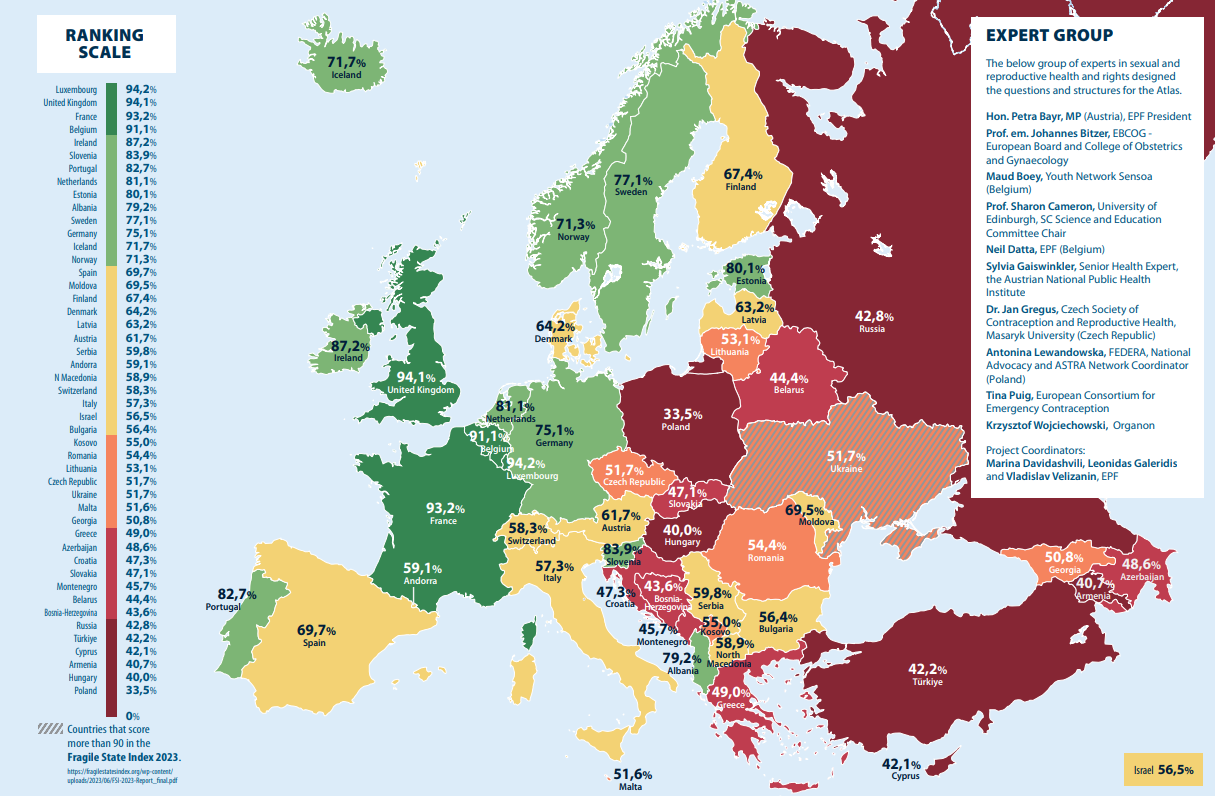
Empowering citizens through contraception
The European Contraception Policy Atlas is an annual report that monitors access to modern contraception in the continent. Take a look at this year’s rankings.
-

Thoughts on declining fertility and scientists’ warning
The Journal of Population and Sustainability explores all aspects of the relationship between human numbers and environmental issues.
-

Talking population at the UN Water Conference
Population Matters attended the UN Water Conference in New York to raise the critical linkage between water and population.
-

Sustainable population: the Earth4All approach
Reproductive rights, bodily autonomy and access to healthcare and education matter in their own right. This article examines Earth4All’s model, assumptions and population projections.
-
Talking population at the UN Water Conference
Population Matters attended the UN Water Conference in New York to raise the critical linkage between water and population.
-

Can we meet our water needs?
Population Matters will be taking part in the UN Water Conference in New York this week, to raise the critical linkage between water and population.
-

Lowering infant mortality will lower population growth
A recent paper published by a group of Australian academics has found that reducing infant mortality rates will lower global population growth. Their answer: better access to contraception and family planning.
-
A planet of 8 billion and the future of humanity
The Journal of Population and Sustainability explores all aspects of the relationship between human numbers and environmental issues.
-
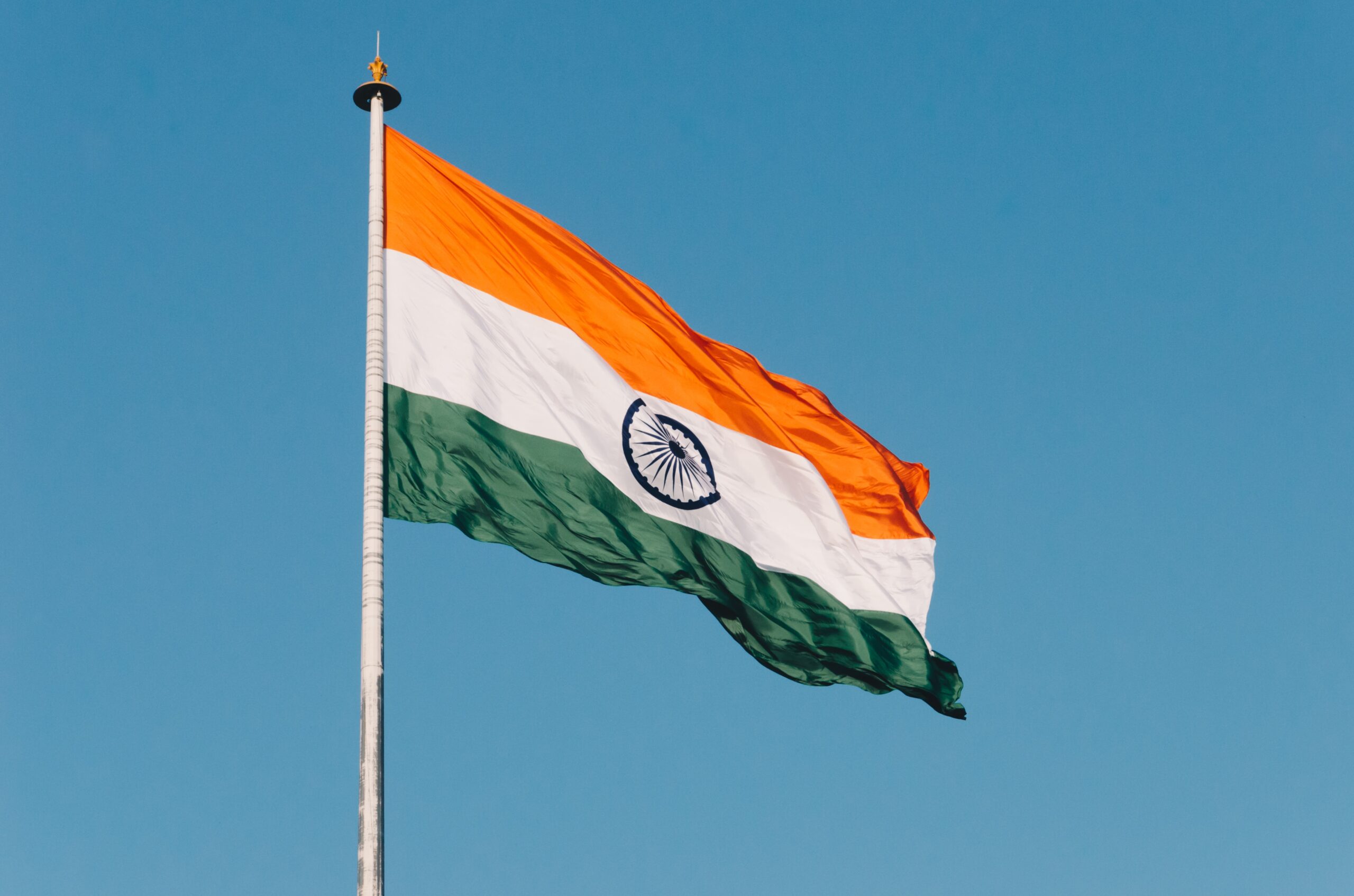
Reproductive Rights and India’s Two-Child Policies
Reproductive rights and bodily autonomy must be protected from coercive policy. Explore how punitive two-child rules can restrict people’s choices and access to services in India.
-
Population news from around the globe
With the birth of the planet’s 8 billionth person just around the corner (15 November), conversations around population growth are becoming ever harder to ignore. The facts are striking; half of the world’s population is made up of just seven countries, we will likely add another 2.4 billion people over the next 60-70 years before,…