
News from Population Matters.
-

Bill Rees: A note on climate change and cultural denial
Was COP26 a big waste of time? Population ecologist and PM Expert Advisor Prof William Rees weighs in on the major UN climate conference and points out humanity’s collective failure to acknowledge and address the root cause of environmental problems: we are consuming more than the Earth can provide. It is a great irony, if…
-
COP26: Why population matters
A crucial UN climate conference (COP26) is taking place in Glasgow over the next few days. One factor unlikely to be on the agenda is human population growth. Whilst the relationship between population and climate change is complex, investing in empowering population solutions is undeniably positive and key to averting disaster. PM Digital and Communications…
-

From flood protection to family planning: Komb Green Solutions
In July, we launched our crowdfunding campaign with the Kenyan environmental organisation, Komb Green Solutions. After disastrous floods earlier this year, the People’s Park they had created for children and youth of the Korogocho slum was almost washed away. Their frontline, community-led efforts to empower women, girls and crime-involved youth were in jeopardy. You, our…
-

A Booming Success: Population Matters’ 2021 Conference
On 8th October, Population Matters hosted Boom or Bust, our online and in-person conference addressing the intersection of population and economics, with a focus on how societies can flourish with a smaller, more sustainable population. A truly global cast of speakers – beaming in from Taiwan, Spain, Ghana, France, the US, UK, and Kenya –…
-

Safeguarding rights, empowering communities
As we mark World Contraception Day on September 26th and International Safe Abortion Day on September 28th, grassroots providers of sexual and reproductive health services continue to face unprecedented challenges in ensuring access to contraceptives and comprehensive abortion care for the world’s most vulnerable women and girls. Population Matters’ Empower to Plan Coordinator, Catriona Spaven-Donn,…
-
Talking population at the World Conservation Congress
From 3-10 September, Population Matters attended the World Conservation Congress of the International Union for Conservation of Nature (IUCN) in the sunny, warm climes of Marseille. Postponed from last year due to COVID-19, the Congress brought together a range of stakeholders, including governments, NGOs, scientists, business, representatives of indigenous people and the public, to discuss…
-
More than half of all tree species could face extinction
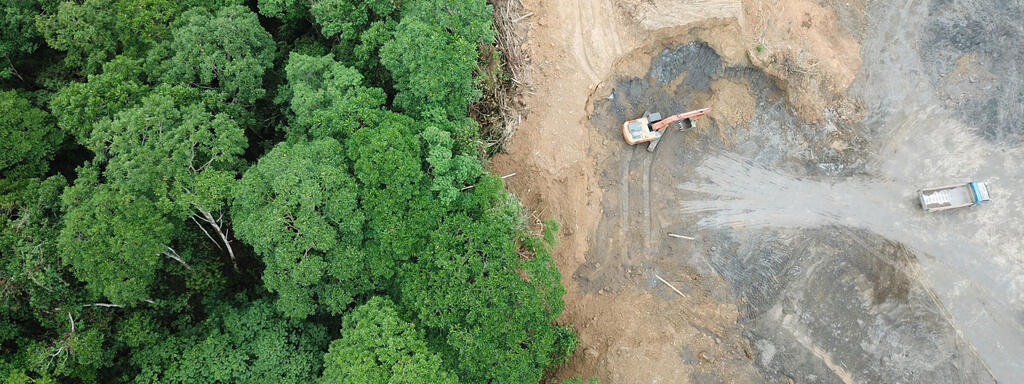
A comprehensive new assessment of the conservation status of all trees reveals that 30-60% of species are at risk of extinction, mainly due to habitat destruction for agriculture. Vanishing forests The State of the World’s Trees report compiles the extinction risk of all 58,497 known tree species. Of these, at least 142 species have already…
-

Europe’s biodiversity under pressure from growing food demand
Increasing populations lead to a subsequent increase in food demand, but how will this impact biodiversity? A recent study, published in Nature, shows the continued conversion of land to agriculture to feed growing populations in Europe will have devastating impacts on key species including wild bees, plants and earthworms. While this damage can be reduced…
-
The Sahel: Empowering women key to averting disaster
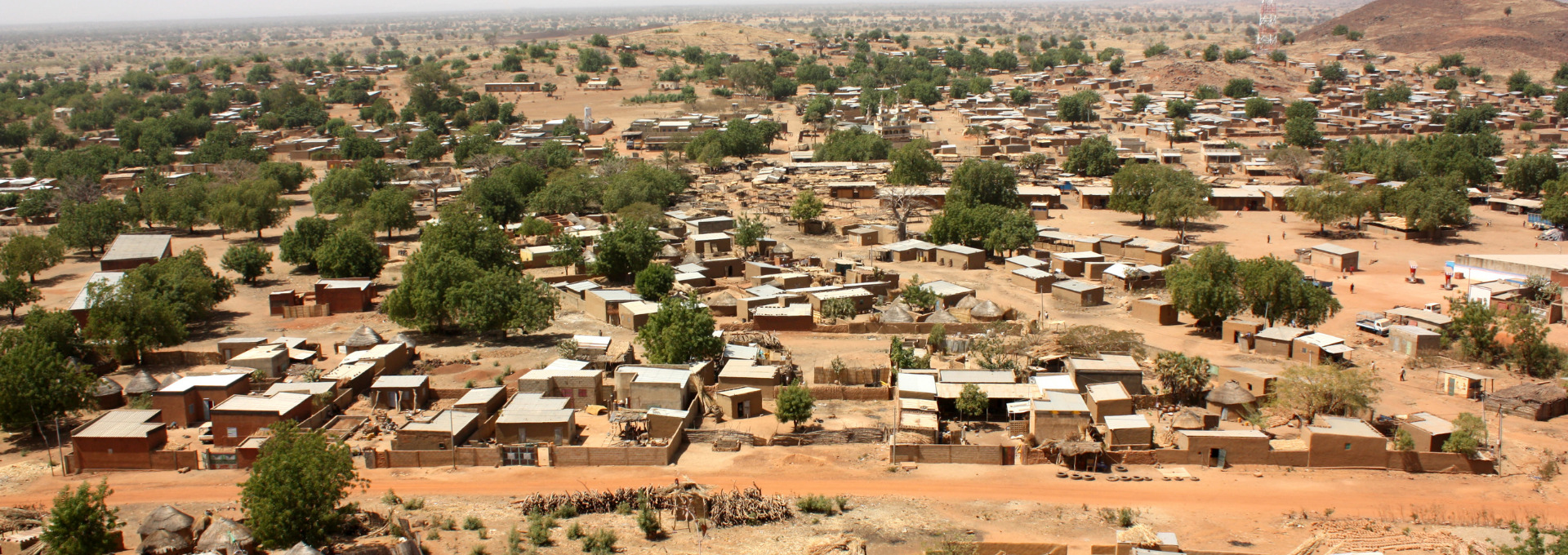
The Sahel region of Africa is on a dangerous trajectory of rapid population growth and catastrophic climate warming. Empowering women in this area is key to saving and improving countless lives. We spoke to Alisha Graves, Population Matters Expert Advisor and Founder and Executive Director of OASIS, which delivers crucial work to advance education and…
-

“Code red for humanity”: UN climate report
A major UN climate report was published last week, providing a dire warning about the worsening climate crisis. With the UN Secretary-General calling it a “code red for humanity”, the report highlights the undeniable human impact upon our planet and shows we must drastically cut emissions within the next few decades to have a chance…