
News from Population Matters.
-

16bn or 7.3bn in 2100? New UN figures say both possible
The United Nations has today released new projections for global population growth up until 2100. Issued every two years, the projections for 2017 show slight increases over those produced in 2015 – increases measured, however, in hundreds of millions of people. The figures also show that very small differences in family size will have a…
-
Report: Population key to controlling climate change
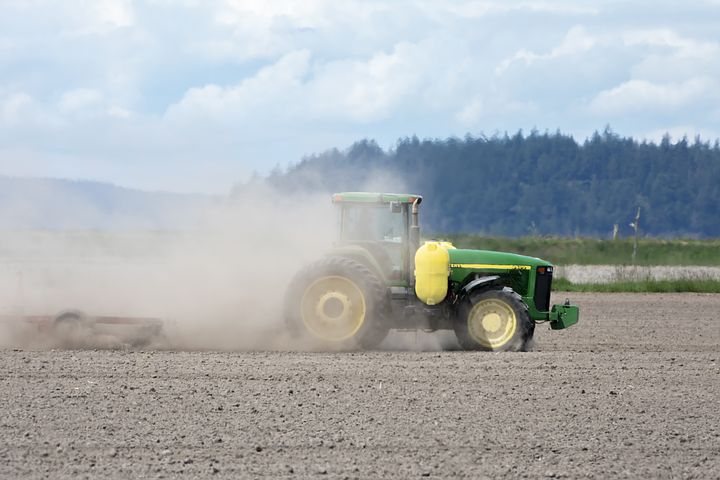
Analysis undertaken for a comprehensive new plan to reverse global warming, Drawdown, has identified family planning and educating girls as among the top 10 workable solutions available today. Together, they would reduce CO2 emissions by 120 gigatons by 2050 — more than onshore and offshore wind power combined. Cover of the Drawdown book “Drawdown” is the point…
-

Sydney hits 5 million as Australia continues to grow
Australia’s two biggest cities – Melbourne and Sydney – account for more than half of the country’s population growth, new statistics for 2015-16 show. With Melbourne now its fastest growing city, sprawling suburbs of state capitals are Australia’s new boom towns Demographer Mark McCrindle outlined the scale and challenges of Australia’s population growth: “For Sydney to grow…
-
Challenging the Global Gag Rule
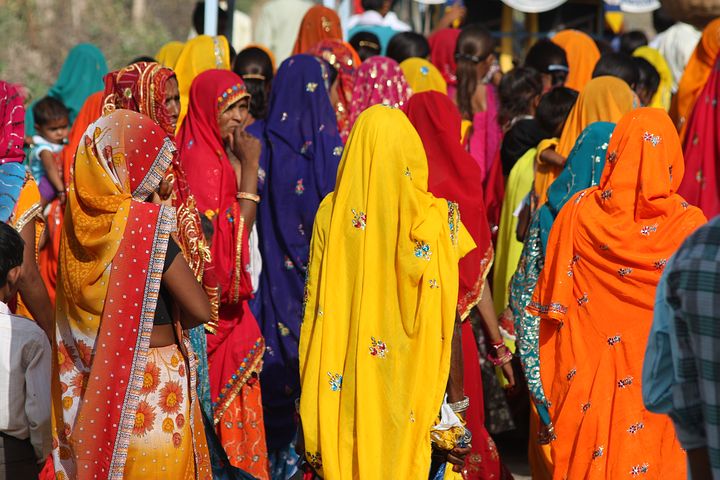
Population Matters is supporting a range of international efforts to defend family planning following the Trump administration’s ban on overseas aid for organisations providing abortion or information about it. Please join the campaign. In January 2017, the so-called ‘global gag rule’ was reinstated by President Trump. The rule, which had been rescinded by President Obama when…
-
Chris Packham speaks out on impact of population
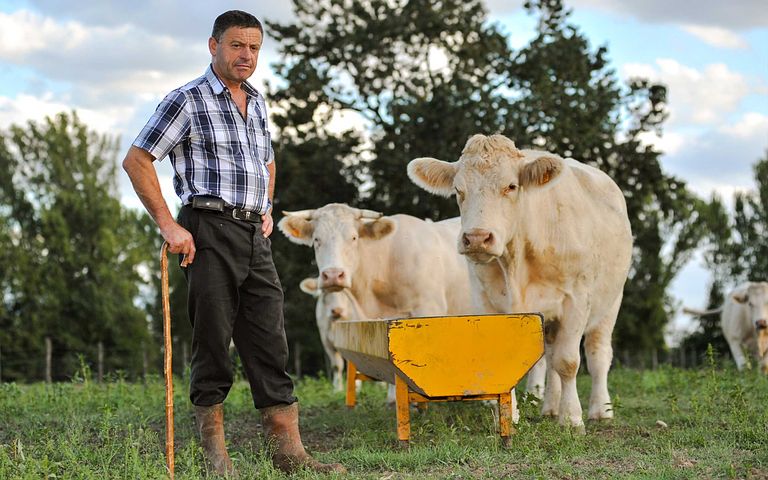
The Times published an edited version of this article on 9 January 2017. Here is the piece in full. Population growth is stifling our green and pleasant land by Population Matters patron Chris Packham “I remember when this was all fields full of birds and butterflies.” It’s a cliché isn’t it . . . but those…
-
State of Nature report overlooks population growth impact
On September 14th, more than 50 nature conservation and research organisations published the 2016 State of Nature report. The report found evidence of significant losses in biodiversity in the UK but overlooked the impact of population growth. The high brown fritillary is possibly the most threatened butterfly in the UK, due to habitat destruction The report found that…
-
Porritt on British e-NGOs and population
It doesn’t take too long to open up incredibly divisive discussions about population, development and the environment. For instance, how would you respond to the following facts? 25 years ago, at the time of the ‘Feed the World’ campaign, the population of Ethiopia was around 33m. Today, it’s nearly 80m, partly as a consequence of…