
News from Population Matters.
-

Number of women and girls subjected to harmful practices still growing
The latest UNFPA State of the World Population report shows that every year, millions of women and girls across the world are still subjected to violent and harmful practices, including the three most prevalent: child marriages, female genital mutilation, and son preference and gender-biased sex selection. Due to population growth and stagnating progress towards gender…
-

Human-caused mass extinction still accelerating
A new analysis shows the sixth mass extinction is accelerating, with more than 500 vertebrate species at risk of becoming extinct in less than 20 years – as many as were lost over the entire course of the last century. The study published in Proceedings of the National Academy of Sciences (PNAS) by a group…
-
How much would it cost to end the worst gender inequalities?
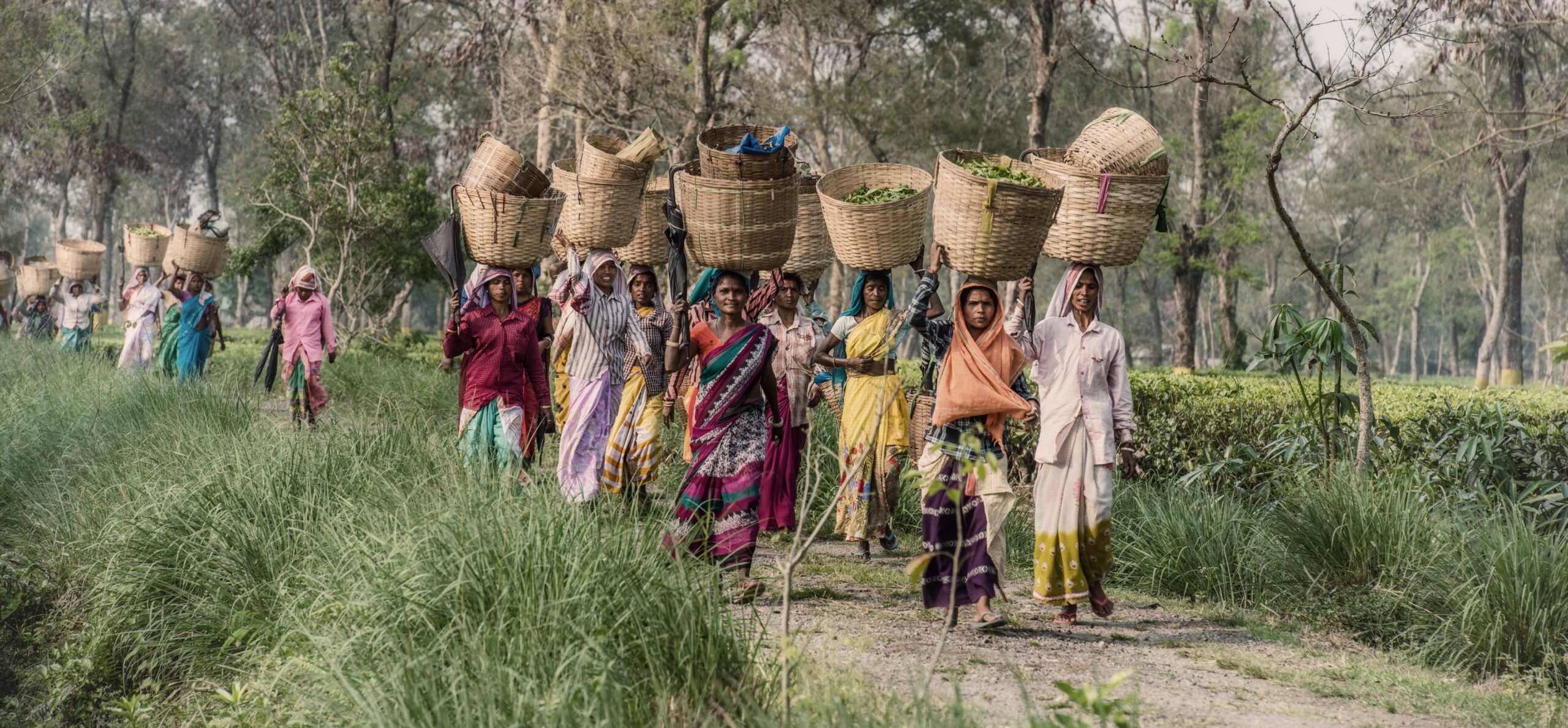
A new UN report summarises the Nairobi Summit on ICPD25, a key international conference held in November 2019 which aimed to boost global progress on women’s rights and sexual and reproductive health. One key outcome of the meeting was its revelation that ending maternal deaths, gender-based violence and unmet family planning needs is affordable and…
-
Population Matters demands action on biodiversity
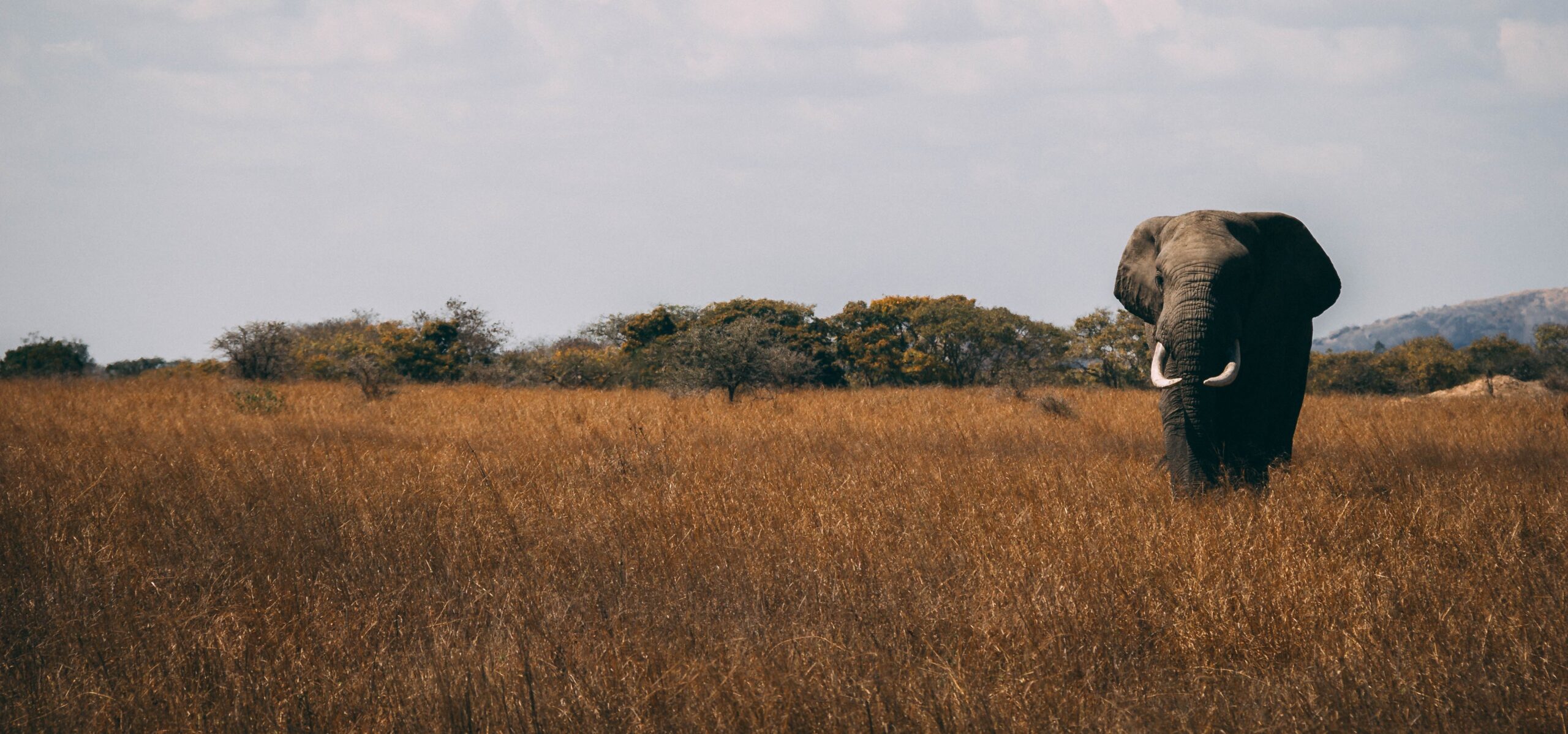
To mark the International Day for Biological Diversity on May 22nd, Population Matters is writing to governments across the world to demand action on human population. Our message is simple: continued mass extinction is inevitable unless we address human numbers. Our Head of Campaigns and Communications, Alistair Currie, explains more. The issue of biodiversity loss has…
-

Planet of the Humans: Infinite growth is suicide
Our Director Robin Maynard reviews Planet of the Humans, the controversial new documentary produced by Michael Moore and directed by Jeff Gibbs, released on the 50th anniversary of Earth Day. Planet of the Humans focusses primarily, and controversially, on exposing what Gibbs believes is the ‘delusion’ of the renewables revolution; unpicking the ‘clean green promise’ of solar…
-
Coronavirus and contraception in rural Kenya: SRH should be a priority every day
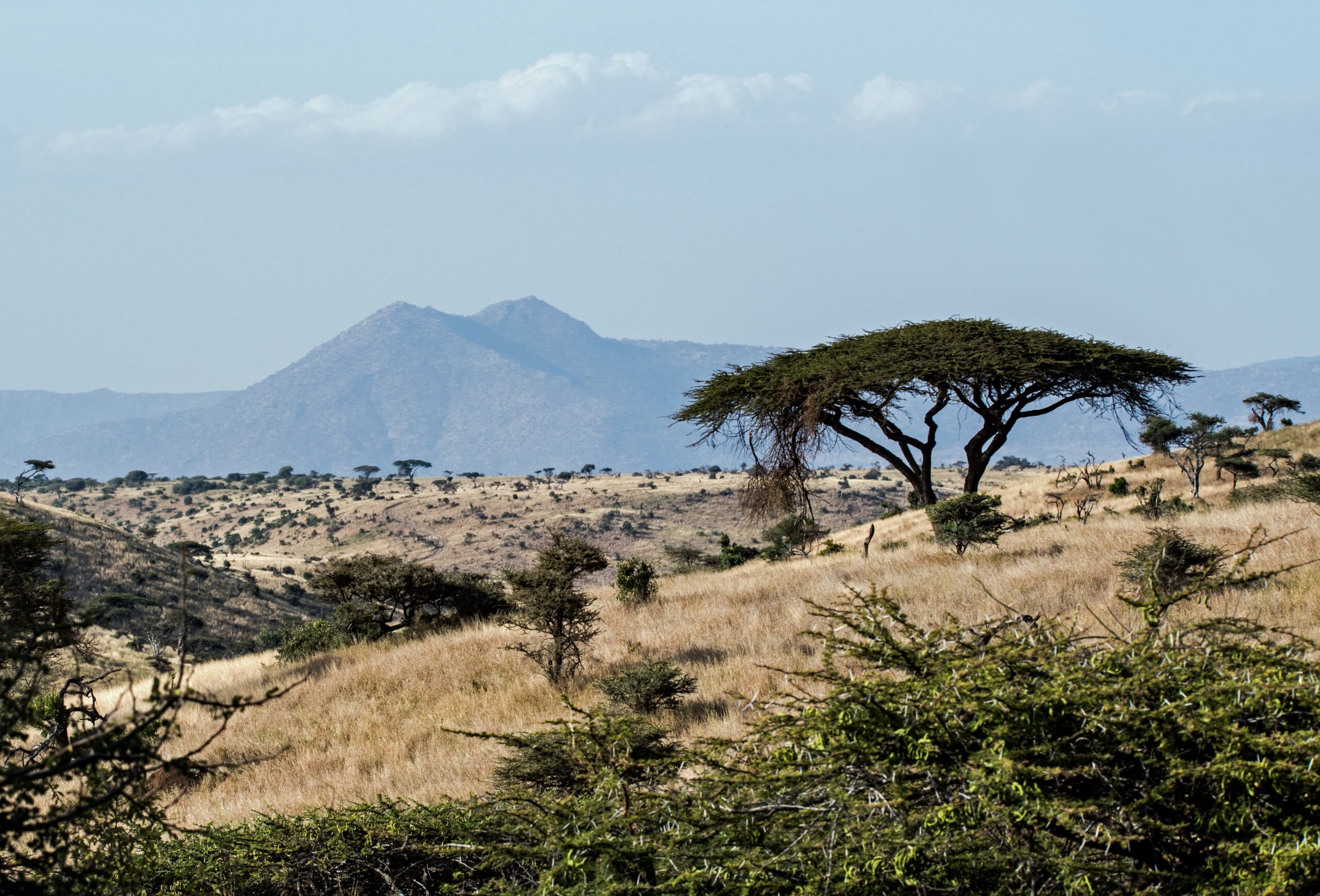
Dandelion Africa Director Wendo Aszed looks at how COVID-19 is affecting women in rural Kenya. Today I woke up worried about a lady in my village called Ekadon. I worried about her mud hut with tinned roof, held by stones, that it would fall on her at night or be swept away by the raging…
-
Millions of women have no say over what happens to their bodies
Almost half of women in 57 low- to middle-income countries have no decision-making power regarding their health, contraceptive use and sex lives, according to a new UN report. A shocking quarter of women feel they are unable to turn down sex with their husband or partner and one in ten women have no say over…
-

UN report: World still largely hostile to girls
Despite some progress over the past 25 years, girls under age 18 around the world continue to face unacceptable discrimination and violence driven by deeply entrenched gender inequality, according to a new report. The report, A New Era For Girls: Taking stock of 25 years of progress, was launched by UNICEF, Plan International and UN…
-

The ‘blue acceleration’: ocean plunder in the Anthropocene
A new study highlights the rapidly increasing pressure on the world’s oceans as a result of human population growth and burgeoning demand for resources. The paper, published in One Earth, investigates 50 years of data on the exploitation of marine resources, including food, materials and space. It highlights how dwindling resources on land have caused…
-

Which European countries spend the most on global family planning?
A new report shows that Europe spent a total of 845 million Euros on global sexual and reproductive health (SRH) and family planning in 2018 – an overall increase of 5% compared to 2017. Encouragingly, 10 out of the 12 reviewed countries either increased or maintained their funding levels, yet major shortfalls and political barriers…