
News from Population Matters.
-
Organic agriculture could increase climate emissions without changes in population and diet
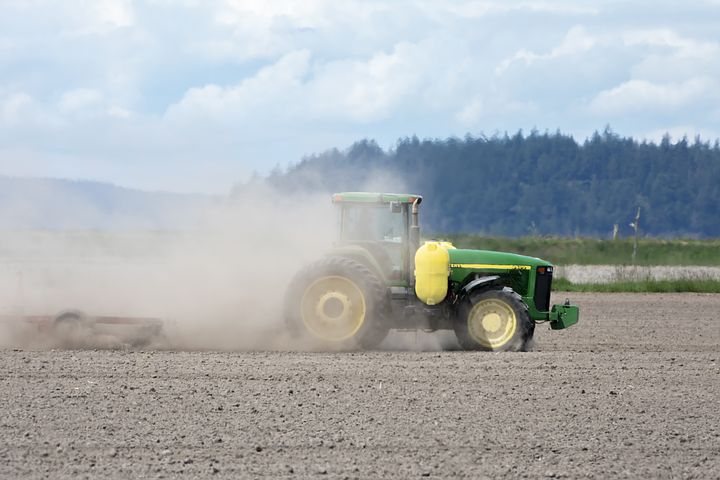
A new study shows that converting all farmland in England and Wales to organic agriculture could increase greenhouse gas emissions because meeting the food demands of the UK population would require using more land abroad. Modern agriculture is a leading cause of biodiversity loss, pollution, and climate change emissions – a global shift towards less destructive…
-
UK biodiversity report: more of us, less of them
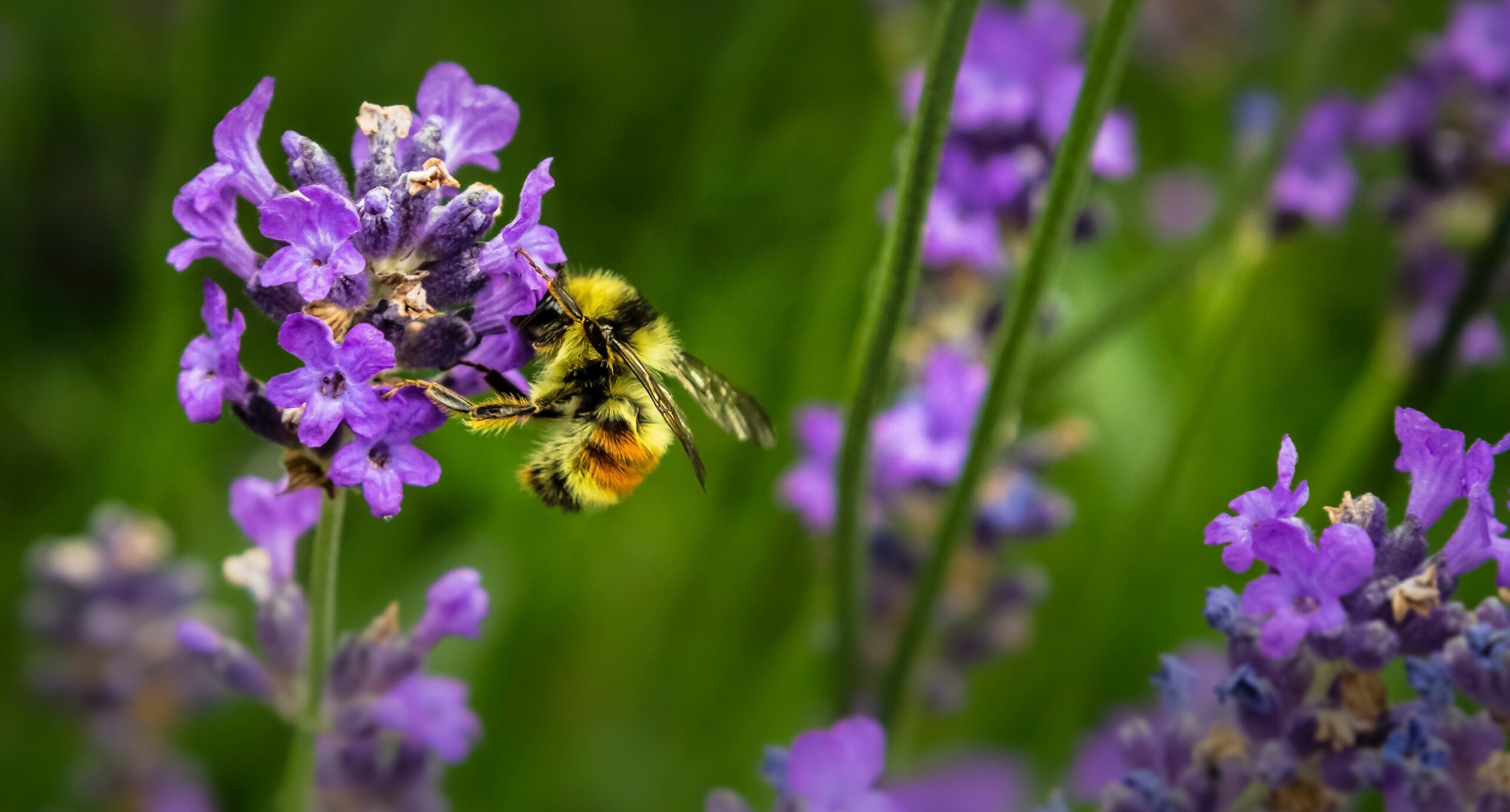
The latest edition of the most authoritative report on biodiversity in the UK has just been released – State of Nature 2019. The 2016 version described the UK as “one of the most nature-depleted countries in the world”. This new edition makes clear there has been no improvement. Our Head of Campaigns, Alistair Currie, looks…
-
UK nature under assault: failed biodiversity targets and water stress
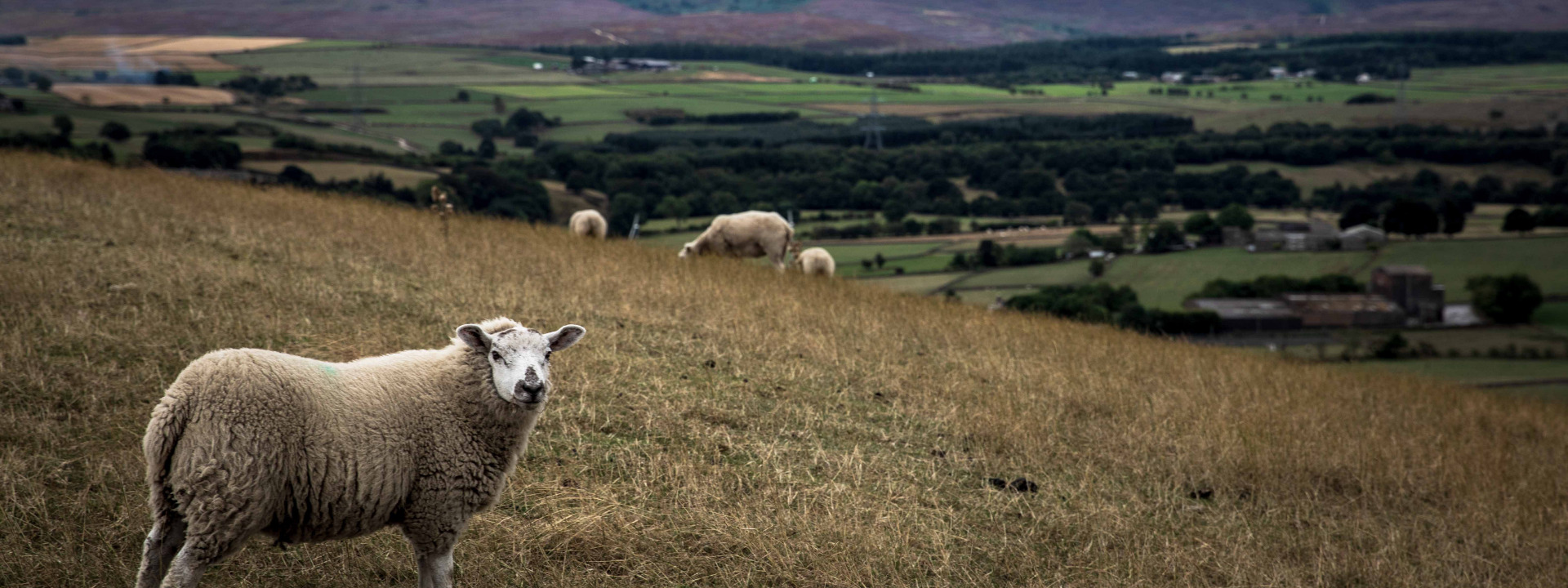
The United Kingdom is already one of the most nature-depleted countries in the world, yet the onslaught on our natural environment is showing no signs of slowing while human population continues to grow. Two key new reports demonstrate that UK wildlife and freshwater sources face a dire future unless urgent action is taken to protect…
-
Livestock, extinction . . . and population
Last week, Population Matters attended the high-profile Livestock and Extinction conference in London, organised by Compassion in World Farming (CIWF) and WWF-UK. The conference brought together experts on food production, wildlife, the environment, policymaking, and health to examine the impact of industrial agriculture on the natural world and identify solutions. PM held a stall at the conference – featuring our…
-

Ten thousand walk for Britain’s disappearing wildlife
Last Saturday, Population Matters joined ten thousand people from across the UK who flocked to London for a ground-breaking event: the biggest march for wildlife the country has ever seen. The People’s Walk for Wildlife, organised by Population Matters patron Chris Packham, was a rallying cry to halt the precipitous decline in Britain’s biodiversity. The…
-

Wildlife under threat – UK hedgehog numbers plummet
A recent large-scale hedgehog survey across Britain’s rural areas found an alarmingly low number of animals, bolstering earlier research indicating a steep decline. An iconic animal in the UK, the decline in hedgehog numbers reflects disappearing biodiversity under human pressure. That’s why Population Matters is joining our patron Chris Packham in his Walk for Wildlife…
-

Making our mark on World Population Day
On World Population Day 2018, Population Matters took to the streets of London with a truck-mounted mobile digital display of the “population clock” – global population growth live. People reacted with surprise, disbelief, and shock. Watch the video, see the reactions – and see the numbers tick up and up. Population clock on tour We…
-

Poll: 74% want to see a UK population strategy
The Union Flag flies against an open sky. Photo by Joanna Zduńczyk / Pexels. According to a national YouGov poll commissioned by Population Matters, 74% of UK adults believe the government should have a national strategy for addressing population, while 64% think the rate of population growth projected by the Office for National Statistics is…
-
One-in-five UK mammals facing extinction – urgent action now
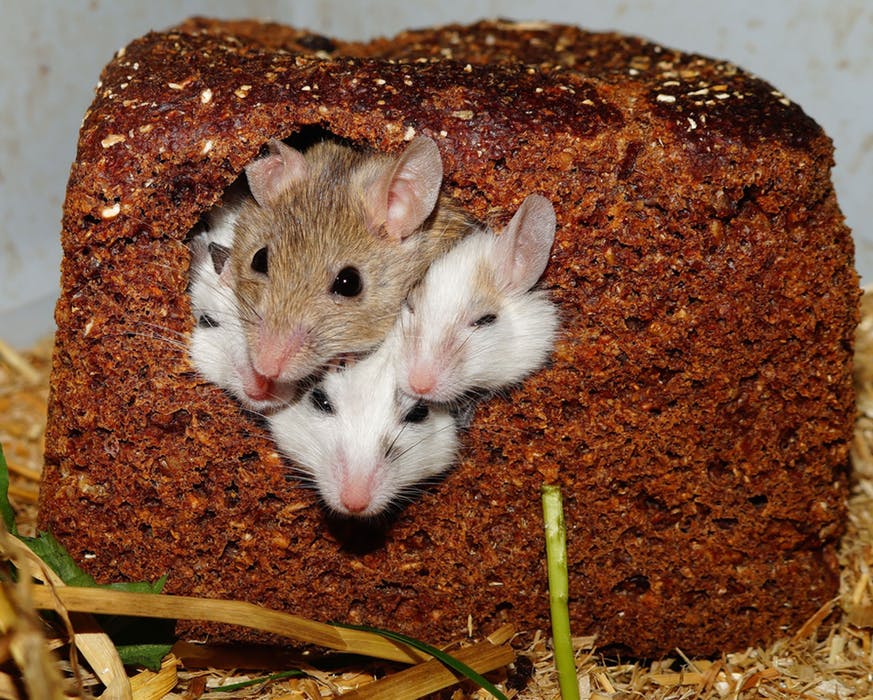
A recent study has found that one in five mammals in the UK face extinction. Climate change, loss of habitat, use of pesticides and disease were identified as main factors. PM patron Chris Packham has warned that the UK faces “an ecological apocalypse” – but one we can fix. The Red Squirrel is listed as critically endangered – photo by Malcolm…
-

UK population growth highest in 70 years
Last week, the Office for National Statistics released its mid-2016 Population Estimates for UK, England and Wales, Scotland and Northern Ireland. These statistics reveal that the number of people residing in the UK increased by 538,000 over the previous year, the largest rise in actual numbers seen in nearly 70 years. Net international migration continues to…