
News from Population Matters.
-

Attenborough film: Saving our planet requires ending population growth
David Attenborough’s ‘A Life On Our Planet‘ highlights the rampant destruction of nature caused by human population growth and unsustainable consumption, as well as the positive and urgently needed actions we must take to save our one and only planet. Population Matters Director Robin Maynard reviews the film. Hopefully millions of people across the world…
-
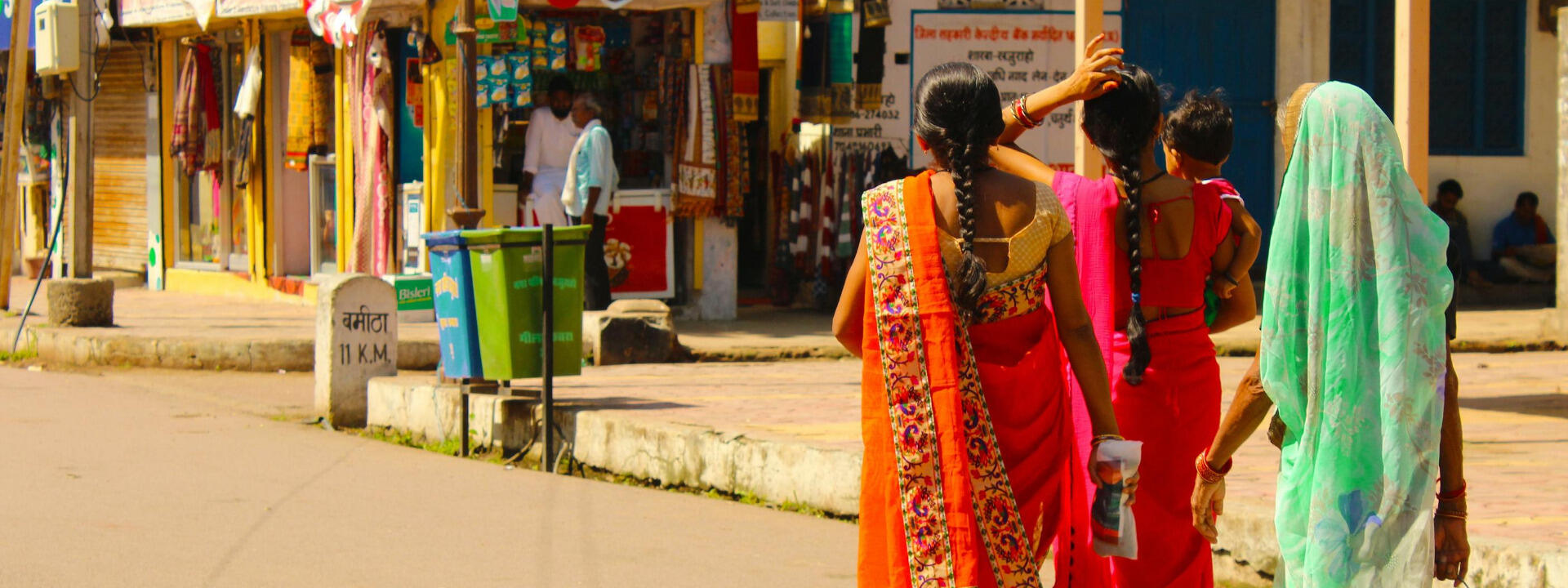
The impact of COVID-19 on women’s reproductive health in India: Safeguarding women’s rights
In this guest blog post marking International Safe Abortion Day, Sanghamitra Singh, a health scientist working with the Population Foundation of India, examines the impact of the pandemic on women’s rights and sexual and reproductive health care, including abortion services, in India. There is rarely a crisis or calamity that doesn’t impact women differentially – COVID-19 is…
-
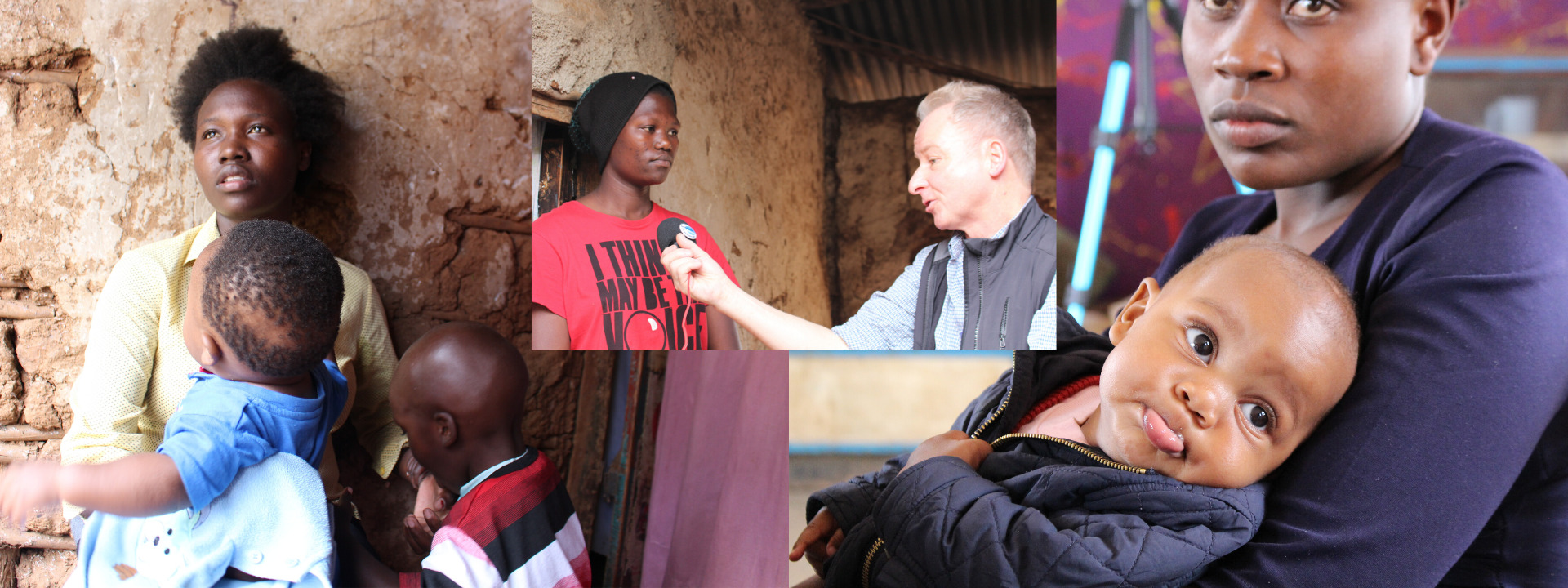
The Kibra youths protecting their communities and environment
Population Matters Campaigner Katrina Dixon reflects on what we have achieved through our Empower to Plan programme so far this year, and the continued support needed for the people of Kibra slum in Kenya.
-
Investing in contraception would save billions of dollars
A new report estimates that fulfilling the unmet need for modern contraception in developing countries would save $16 billion a year in maternal healthcare by reducing the number of unintended pregnancies. Adding It Up: Investing in Sexual and Reproductive Health 2019, published by the Guttmacher Institute, highlights that a quarter of the 923 million women…
-

World Population Day 2020 – sustainable development needs a sustainable population
Saturday 11 July marked World Population Day and for us it was the culmination of a series of digital events that we hope will encourage and inspire people to talk about population issues. This year our theme and activities centred around the UN’s Sustainable Development Goals (SDGs). With only ten years left to go, meeting…
-
Number of women and girls subjected to harmful practices still growing
The latest UNFPA State of the World Population report shows that every year, millions of women and girls across the world are still subjected to violent and harmful practices, including the three most prevalent: child marriages, female genital mutilation, and son preference and gender-biased sex selection. Due to population growth and stagnating progress towards gender…
-
How much would it cost to end the worst gender inequalities?
A new UN report summarises the Nairobi Summit on ICPD25, a key international conference held in November 2019 which aimed to boost global progress on women’s rights and sexual and reproductive health. One key outcome of the meeting was its revelation that ending maternal deaths, gender-based violence and unmet family planning needs is affordable and…
-
Coronavirus and contraception in rural Kenya: SRH should be a priority every day
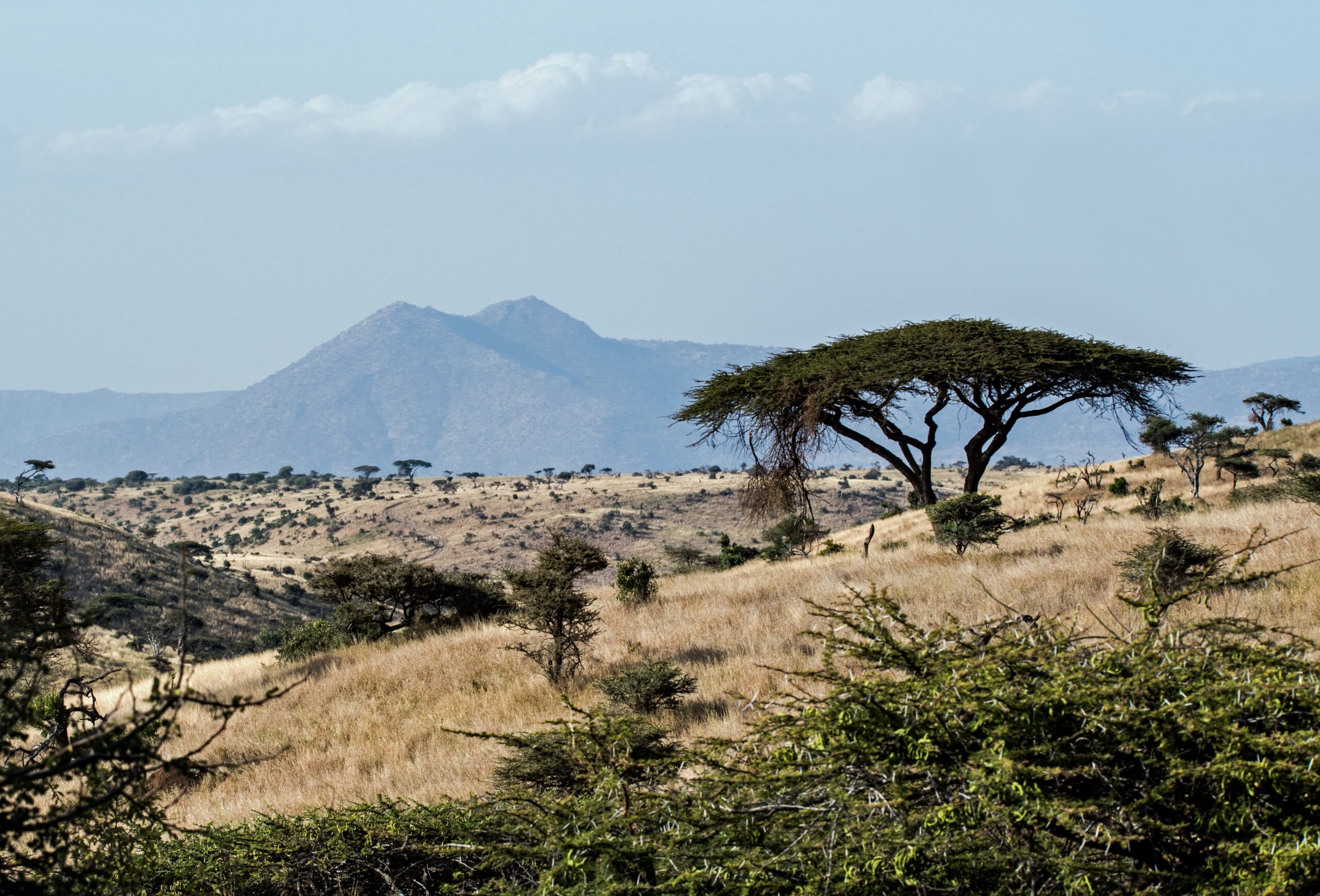
Dandelion Africa Director Wendo Aszed looks at how COVID-19 is affecting women in rural Kenya. Today I woke up worried about a lady in my village called Ekadon. I worried about her mud hut with tinned roof, held by stones, that it would fall on her at night or be swept away by the raging…
-
Millions of women have no say over what happens to their bodies
Almost half of women in 57 low- to middle-income countries have no decision-making power regarding their health, contraceptive use and sex lives, according to a new UN report. A shocking quarter of women feel they are unable to turn down sex with their husband or partner and one in ten women have no say over…
-

UN report: World still largely hostile to girls
Despite some progress over the past 25 years, girls under age 18 around the world continue to face unacceptable discrimination and violence driven by deeply entrenched gender inequality, according to a new report. The report, A New Era For Girls: Taking stock of 25 years of progress, was launched by UNICEF, Plan International and UN…