
News from Population Matters.
-
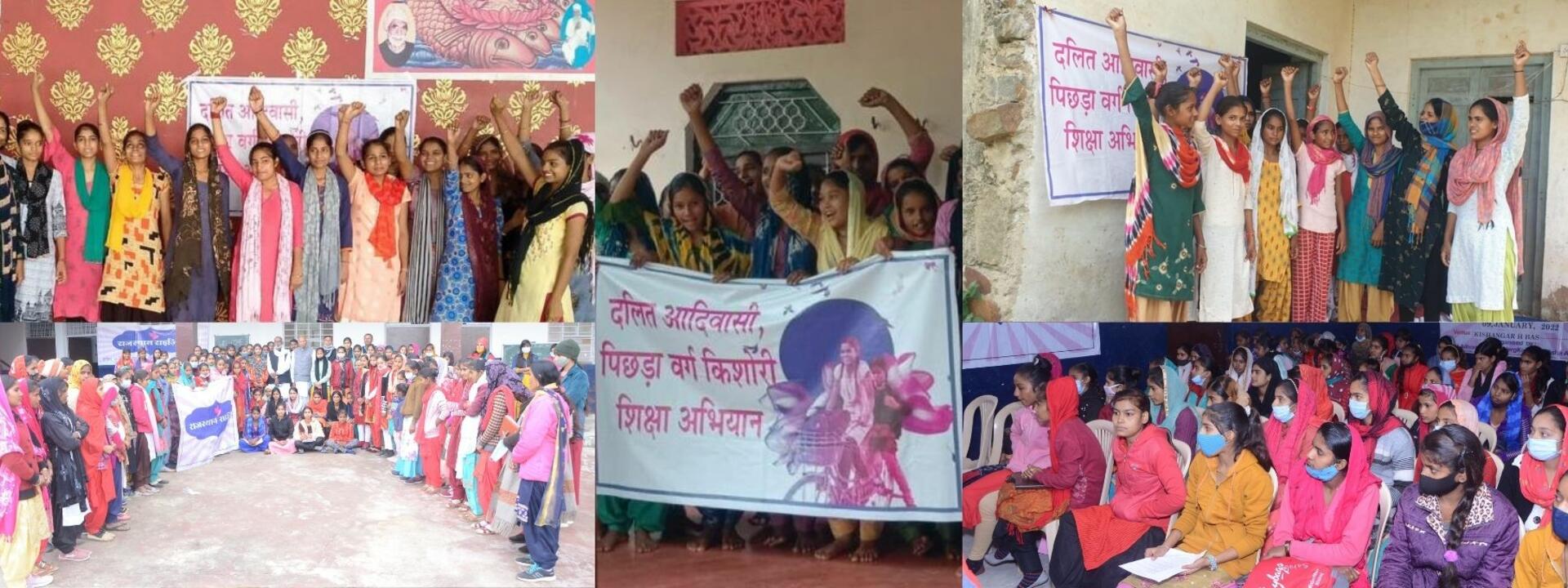
Rajasthan Rising: the Indian girl-led movement
Over the first six months of 2022, Empower to Plan funds helped to grow a collective of 5,000 girls determined to end child marriage in India. The Rajasthan Rising movement has since gone from strength to strength, creating a ripple effect of engaged and empowered leaders defending and promoting girls’ rights in their community. Here,…
-

As progress continues to falter, how do the SDGs get back on track?
The UN’s Sustainable Development Report – updated annually and now in its 7th iteration – details the progress made against the UN’s Sustainable Development Goals which aim to achieve decent lives for all on a healthy planet by the year 2030. Digital & Communications Manager, Ben Stallworthy, takes a look at some of the key…
-
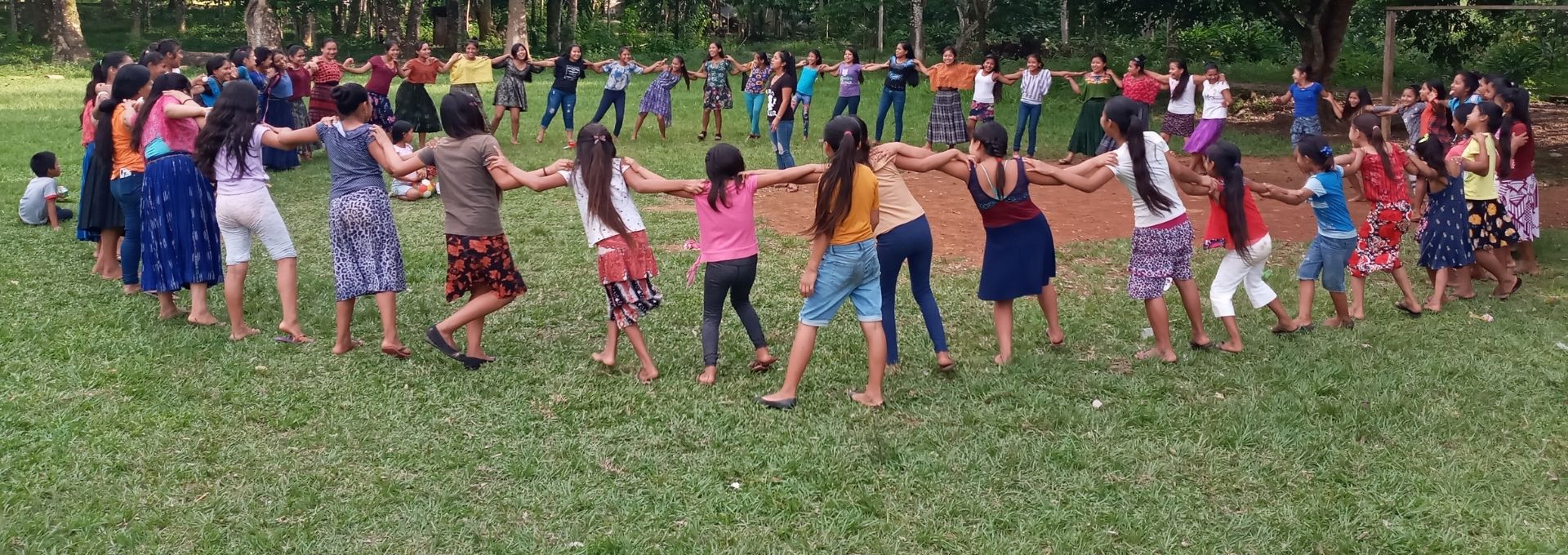
The work of Na’leb’ak – local change-makers in Guatemala
Na’leb’ak is a team of local change-makers that empowers girls and engages communities about family planning in rural indigenous Guatemala. A past Empower to Plan partner, Na’leb’ak received a £5,500 grant from Population Matters, raised from the generous contributions of our members and supporters. Catriona Spaven-Donn reports on how Na’leb’ak is leading the way in sexual and reproductive health…
-

Too fast, too slow, just right? The UN’s 2022 population projections
Published today, the long-awaited United Nations global population projections are causing plenty of debate. Should we worry about too many people or too few? Do they mean salvation or catastrophe, or even a bit of both? Are they right? Most importantly: what do we do about what they tell us? Our Head of Campaigns and…
-
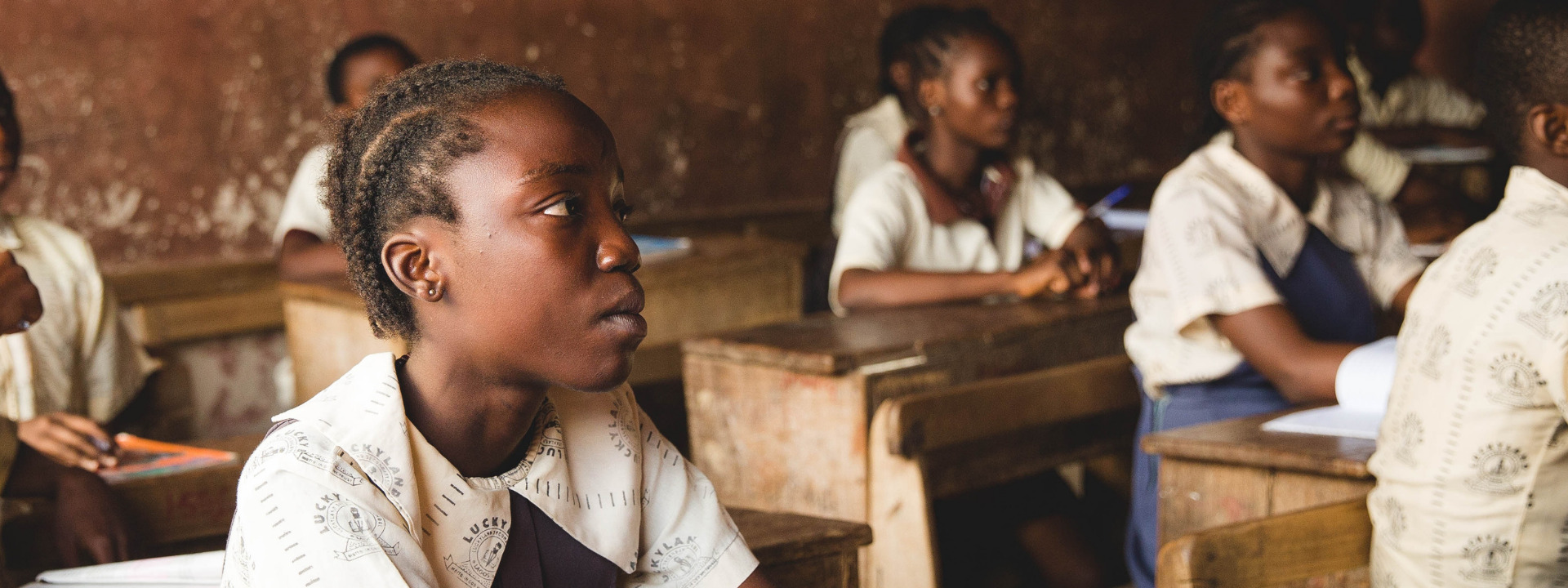
Joan Kembabazi: girls’ education is key
At the beginning of June, Sweden hosted the Stockholm+50 conference, commemorating the 50th anniversary of the United Nations Conference on the Human Environment. Joan Kembabazi, one of our Choice Ambassadors, attended in her capacity as a girls’ and women’s rights activist. In this guest blog, she writes about the conference and the message she brought to…
-

Tackling population growth in Nigeria: Interview with Chidera Benoit
Nigeria has the largest population in Africa and is one of the fastest growing countries in the world, expected to become the third most populous by mid-century. This rapid growth, driven by a high fertility rate, is placing unprecedented strain on the natural environment as well as on already fragile social services and infrastructure. We…
-

One river, many tributaries: Talking population in Kenya
This month, Population Matters Director Robin Maynard attended the Population Conversation Symposium in Kilifi, Kenya. This key event, organised by local public health consultancy WellSense and supported by PM, brought together diverse stakeholders to discuss the wide-ranging impacts of rapid population growth and to identify the actions needed to mainstream the crucial ‘population conversation’. Starting…
-

Between the bedrock and a hard place: the future of groundwater
Today is World Water Day, a global observance day to raise awareness of water-related issues and inspire action to preserve this most precious of resources. This year’s theme is ‘Groundwater, making the invisible visible’. Communications Manager Olivia Nater explores the facts around groundwater use and what it means for global water security. The invisible resource…
-

One-in-three countries not making progress on women’s rights
A new report has found that while most countries are making some progress towards gender equality, this is happening much too slowly to meet the UN Sustainable Development Goals (SDGs) by 2030. In addition, a third of countries analysed have made no progress since 2015, or have moved in the wrong direction. The global picture…
-

Empower women, save the planet
Today is International Women’s Day with the theme “Gender equality today for a sustainable tomorrow”. The event aims to showcase how critical advancing women’s rights is to solving our environmental crises – something we do every day at Population Matters! Communications Manager Olivia Nater summarises the evidence. Women are the victims and the solution Due…